U.S. Vice President JD Vance to Visit Armenia and Azerbaijan on Diplomatic Mission
Vice President JD Vance of the United States is preparing for a significant diplomatic journey to the South Caucasus region, with planned stops in Armenia and Azerbaijan. This trip underscores the ongoing U.S. engagement in international affairs and efforts to foster stability in areas of geopolitical importance.
Background and Recent Activities
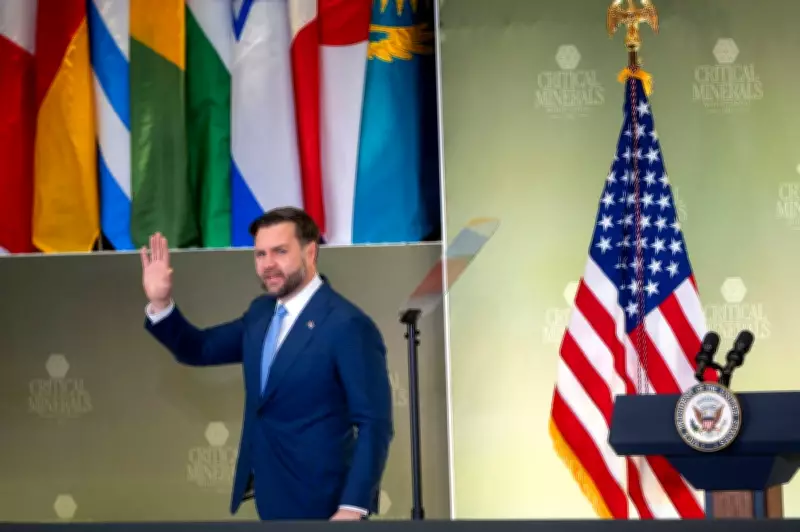
The announcement of Vance's travel plans comes shortly after his participation in the Critical Minerals Ministerial meeting held at the State Department in Washington, D.C. During this event, which took place on February 4, 2026, Vance addressed key issues related to mineral resources and global supply chains, highlighting the strategic priorities of the current administration.
His involvement in such high-level discussions signals a continued focus on economic and security matters that intersect with foreign policy objectives. The vice president's upcoming visit to Armenia and Azerbaijan is expected to build on these themes, potentially addressing regional conflicts, energy cooperation, and broader diplomatic relations.

Significance of the Trip
This diplomatic mission holds considerable importance for U.S. foreign policy in the South Caucasus, a region marked by historical tensions and recent conflicts. Armenia and Azerbaijan have been engaged in a longstanding dispute over the Nagorno-Karabakh territory, making Vance's visit a critical opportunity for dialogue and peacebuilding efforts.
By engaging directly with leaders from both nations, the vice president aims to reinforce U.S. commitments to regional security and economic partnerships. The trip may also involve discussions on humanitarian aid, trade agreements, and collaborative initiatives to address shared challenges such as climate change and infrastructure development.
Broader Implications
Vance's travel reflects a broader strategy by the United States to maintain active diplomatic presence in key global hotspots. As vice president, his role in shaping foreign policy and representing U.S. interests abroad is pivotal, particularly in regions where stability is fragile.
This visit could pave the way for enhanced bilateral relations and contribute to ongoing international efforts to mediate conflicts. It also aligns with U.S. objectives to counter influence from other global powers and promote democratic values and economic growth in the area.
Observers will be closely monitoring the outcomes of the trip, as it may influence future policy directions and international collaborations. The vice president's engagements in Armenia and Azerbaijan are set to be a focal point in the coming weeks, with potential announcements or agreements emerging from the discussions.