International humanitarian organizations are facing a severe operational crisis as they grapple with the implications of a recent ban imposed by Israel on their work within the Gaza Strip. The move, which took effect in early January 2026, has thrown the future of vital aid delivery into uncertainty amidst an already dire humanitarian situation.
Immediate Impact on Ground Operations
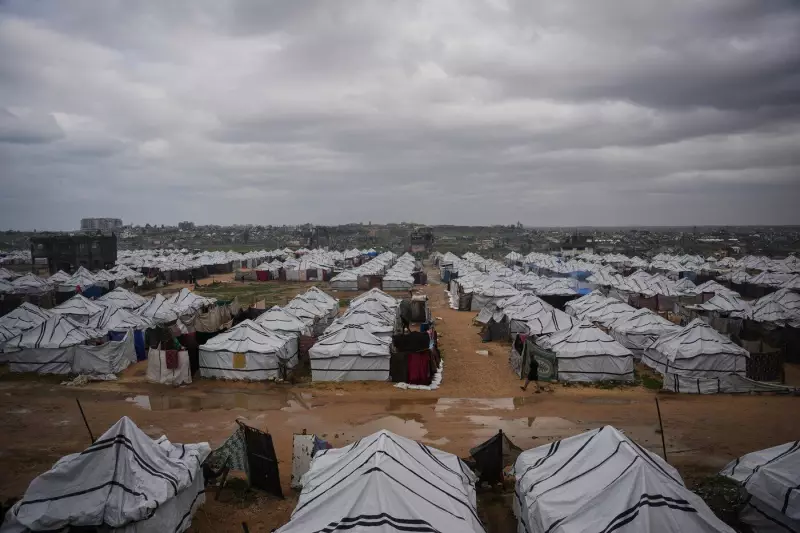
The ban directly threatens the lifeline for hundreds of thousands of displaced Palestinians. A stark visual of the need was captured on Friday, January 2, 2026, by Associated Press photographer Abdel Kareem Hana. His image shows a sprawling makeshift tent camp stretching across Nuseirat in the central Gaza Strip, housing families with limited access to food, water, and medical care. Aid groups, which have been the primary conduit for such essentials, must now navigate the new restrictions.
Major non-governmental organizations and United Nations agencies are urgently convening to analyze the legal and logistical framework of the Israeli directive. Their primary concern is the immediate halt or drastic reduction of services including emergency medical care, nutritional support for children, and winter shelter provisions. The timing is particularly critical given the cold winter conditions.

Uncertain Future for Critical Services
The consequences of a prolonged ban could be catastrophic. International aid groups operate most of the functioning clinics, water desalination units, and food distribution networks in Gaza. A suspension of their activities would leave the enclave's battered infrastructure unable to support its population. Officials from several groups have expressed deep concern over the potential for a rapid surge in preventable diseases and malnutrition rates.
Discussions are underway at the highest diplomatic levels to seek clarifications and possible exemptions. However, no resolution has been reached, leaving field staff in a state of limbo. The ban also raises significant questions about the safety and legal status of international aid workers currently in Gaza.
A Deepening Humanitarian Quagmire
This development exacerbates an already complex and protracted crisis. The tent camp in Nuseirat is just one example of the massive displacement that has occurred. The inability of aid organizations to function freely threatens to undo any marginal progress made in stabilization efforts and could trigger a new wave of suffering.
The international community is watching closely, with many leaders calling for the ban to be reconsidered on humanitarian grounds. For now, aid groups are forced to prepare contingency plans for a scenario where their operations are severely curtailed or shut down entirely, while continuing to advocate for uninterrupted access to civilian populations in need.