Israel Accepts Role in Trump's Peace Initiative as European Allies Opt Out
In a significant diplomatic development, Israel has formally agreed to join the Board of Peace, an initiative spearheaded by former U.S. President Donald Trump. This decision comes at a time when several key Western European nations have publicly declined participation, underscoring a notable rift in international approaches to Middle East peace efforts.
Geopolitical Divisions Emerge Over Peace Strategy
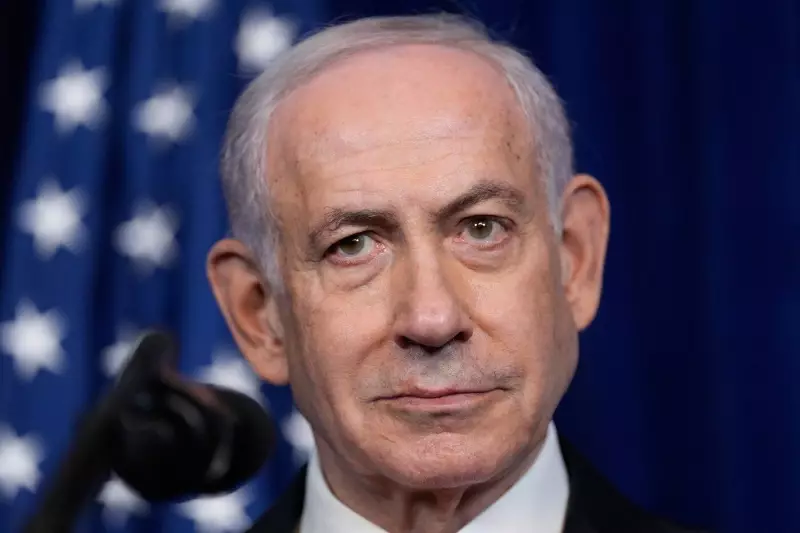
The Board of Peace, proposed by Trump as a mechanism to advance negotiations in the region, has garnered mixed reactions globally. While Israel's Prime Minister Benjamin Netanyahu has expressed support, countries such as France, Germany, and others in Western Europe have opted out, citing concerns over the initiative's structure and potential implications. This divergence highlights the complex and often contentious nature of international diplomacy surrounding the Israel-Hamas conflict and broader Middle East stability.
Observers note that Israel's involvement could signal a willingness to explore alternative frameworks for dialogue, particularly given the stalled progress in traditional peace processes. However, the absence of European partners may limit the board's legitimacy and effectiveness, raising questions about its ability to foster meaningful breakthroughs.

Context and Implications for Future Negotiations
The announcement follows a period of heightened tensions and ongoing violence in the region, with the Israel-Hamas war continuing to impact civilian populations and regional security. Trump's initiative, though details remain sparse, aims to create a new platform for discussions, potentially bypassing established international bodies that have struggled to mediate lasting solutions.
Experts suggest that Israel's participation might be driven by a desire to strengthen ties with the United States under a potential future Trump administration, while European skepticism reflects a preference for multilateral approaches endorsed by organizations like the United Nations. This split could influence not only immediate peace efforts but also long-term alliances and geopolitical alignments in the volatile Middle East.
As the situation evolves, stakeholders will be closely monitoring the board's composition and agenda, with hopes that it can contribute to de-escalation and sustainable peace, despite the current challenges posed by international disagreements.