Iraq's Hard-Won Stability Faces Grave New Threats
Iraq stands at a critical crossroads, with its fragile stability—painstakingly rebuilt after decades of devastating conflict—now imperiled by escalating tensions between Iran and the United States. The country has been abruptly drawn into the broader Middle East war that erupted following recent attacks by the U.S. and Israel against Iran, creating a dangerous new reality for Iraqi citizens and leadership alike.
Immediate Escalation and Regional Power Struggles
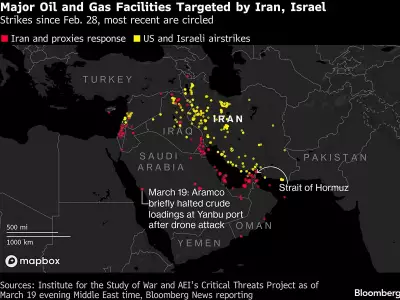
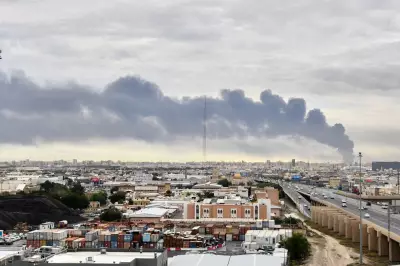
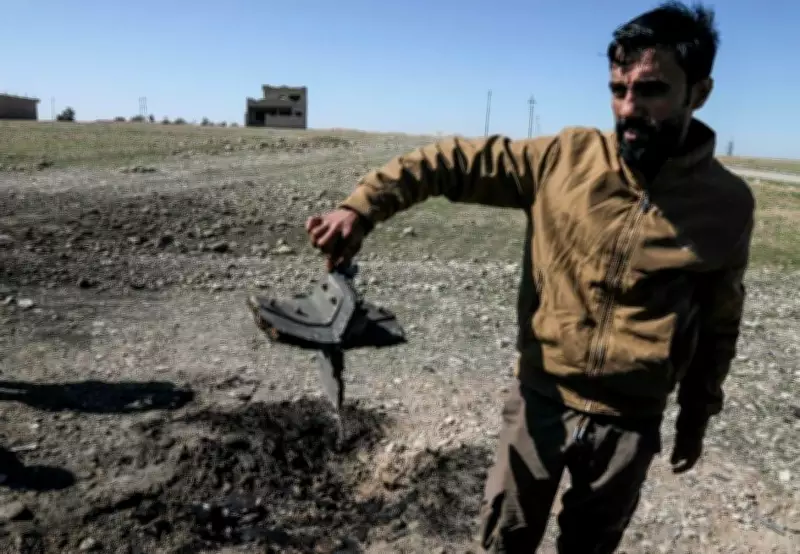
Within mere hours of the conflict's outbreak, Iraqi airspace became crowded with military aircraft as air strikes targeted bases housing Tehran-backed groups across the nation. In retaliation, Iran-supported factions launched attacks against American interests within Iraq, while Tehran simultaneously struck Kurdish militant positions in northern regions. This rapid escalation underscores Iraq's precarious position as a proxy battleground where successive governments have struggled to maintain balance between these powerful rival nations.
Neither the United States nor Israel has officially claimed responsibility for strikes within Iraqi territory, though both face accusations of conducting such operations. Meanwhile, Iran-backed groups regularly announce dozens of attacks against what they term "the enemy," though they typically refrain from specifying precise targets.

Iran's Deep Influence and Armed Factions
Iran maintains substantial political influence in Iraq while supporting armed groups that the United States designates as terrorist organizations. Several of these factions hold parliamentary seats and have seen their political and financial power grow significantly in recent years. When hostilities began, these groups immediately pledged to defend Iran and became primary targets for strikes attributed to U.S. and Israeli forces.
These Tehran-backed militias operate within the Hashed al-Shaabi, or Popular Mobilization Forces—a former paramilitary alliance established in 2014 to combat jihadist groups that has since been integrated into Iraq's regular armed forces. Despite this formal integration, these factions maintain considerable autonomy and frequently act independently under a loose coalition called the Islamic Resistance in Iraq.
Key Actors and Their Targets
Prominent groups within this network include:
- Kataeb Hezbollah
- The al-Nujaba movement
- Kataeb Sayyid al-Shuhada
- Kataeb Imam Ali
Bases associated with Hashed that host these groups—particularly Kataeb Hezbollah—have been struck multiple times since the conflict began. The factions have vowed to target American installations in response, with the Islamic Resistance in Iraq claiming daily attacks against "enemy" positions throughout Iraq and the broader region.
Critical Infrastructure Under Fire
Several high-value locations have become frequent targets:
- Baghdad International Airport, which houses U.S. diplomatic facilities, has faced multiple drone and rocket attacks
- The U.S. embassy compound in Baghdad came under rocket fire within the conflict's first week
- Oil fields operated by foreign companies in Basra province and the Kurdistan region have been struck
- The autonomous Kurdistan region—hosting American troops at Erbil's airport—has emerged as a primary target
U.S. air defense systems now routinely intercept drones over Erbil, which also contains a substantial U.S. consulate complex. This constant threat environment illustrates how quickly Iraq's security situation has deteriorated, with the country's sovereignty compromised by external powers pursuing their regional agendas.
The fundamental question remains whether Iraq can preserve the stability it sacrificed so much to achieve, or if it will become collateral damage in a widening conflict between global and regional powers. With daily attacks and counterattacks, the nation's future hangs in the balance as its airspace and territory become arenas for settling scores between Tehran and Washington.