Iran-U.S. Negotiations Face Uncertainty Following Strait of Hormuz Clashes
Prospects for a second round of crucial diplomatic talks between the United States and Iran have been thrown into serious doubt after a significant flare-up of violence in the strategically vital Strait of Hormuz. The incident, which occurred just as preparations were being finalized for the negotiations, has heightened regional tensions and cast a long shadow over the planned dialogue.
Diplomatic Preparations Amidst Rising Tensions
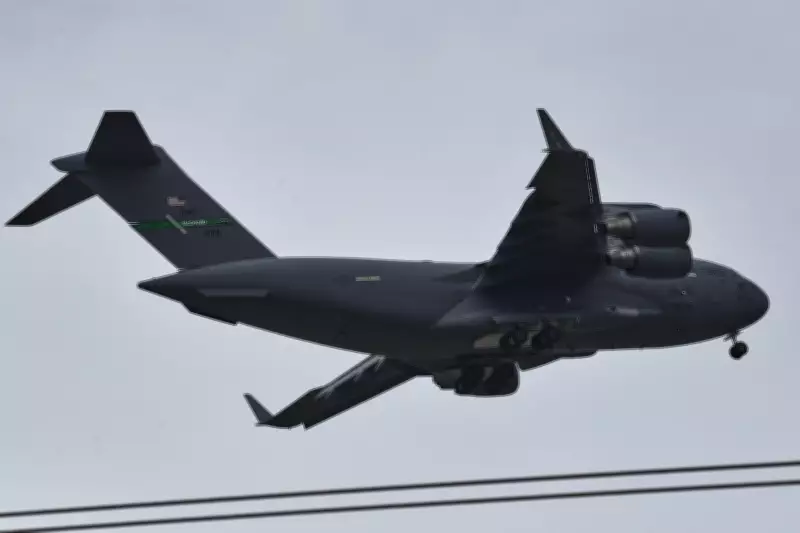
The negotiations were scheduled to take place in Rawalpindi, Pakistan, with a U.S. Air Force Boeing C-17 Globemaster III transport aircraft already photographed arriving at Nur Khan airbase on Monday, April 20, 2026. This military transport's presence underscored the high-stakes nature of the engagement, intended to build upon a previous round of discussions. However, the violent events in the Strait of Hormuz—a critical global oil transit chokepoint—have introduced a severe and potentially deal-breaking complication to the diplomatic process.
The Strait of Hormuz Incident: A Major Escalation
While specific details of the clash remain under investigation by international observers, early reports indicate an exchange involving naval assets. The Strait of Hormuz is perennially a flashpoint, with approximately one-fifth of the world's oil passing through its narrow confines. Any military activity there immediately triggers global security and economic concerns, impacting oil markets and international relations far beyond the immediate region.

This escalation poses a direct challenge to the stated goals of the U.S.-Iran talks, which were widely believed to focus on regional security de-escalation and potentially revisiting aspects of nuclear diplomacy. The timing of the violence, immediately preceding the scheduled meeting, suggests elements within or adjacent to the conflict may be attempting to sabotage the diplomatic initiative.
Global and Domestic Repercussions
The instability has already prompted tangible policy responses. Notably, the Canadian federal government implemented a temporary pause on federal gasoline and diesel excise taxes, a move officials linked directly to market volatility and price spikes following the Iran incident. This demonstrates how quickly regional conflict in the Middle East translates into economic pressure on consumer nations worldwide.
Furthermore, the situation complicates other international efforts. A parallel U.S. decision to back a South African rare earths extraction project, despite ongoing diplomatic friction with the nation, highlights the complex and often contradictory web of global interests that Middle Eastern instability affects.
An Uncertain Path Forward for Diplomacy
As of now, neither Washington nor Tehran has officially called off the Rawalpindi meeting. Diplomatic channels are likely buzzing with urgent communication aimed at assessing the damage and determining if a basis for dialogue still exists. The fundamental question is whether both parties can compartmentalize this violent event and proceed with negotiations aimed at preventing a wider war, or if the Strait of Hormuz clash represents a point of no return for this particular diplomatic effort.
The international community watches with apprehension, aware that a failure of these talks could lead to a dangerous new phase of open confrontation in a region already plagued by conflict, with severe consequences for global energy security and geopolitical stability.