Iranian Forces Seize Two Foreign Oil Tankers in Persian Gulf, State Media Confirms
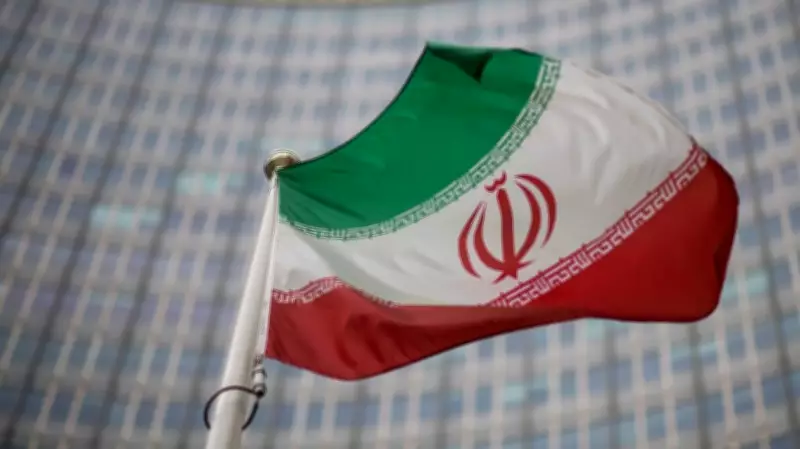
In a move that heightens tensions in a critical global shipping corridor, Iran has seized two foreign-flagged oil tankers in the Persian Gulf, according to reports from Iranian state media. The incident, which occurred on February 5, 2026, underscores the ongoing volatility in the region and raises immediate concerns for international maritime security and energy supply chains.
Details of the Seizure and Regional Implications
The specific nationalities of the tankers and the exact circumstances surrounding their seizure have not been fully disclosed by Iranian authorities. However, such actions in the Persian Gulf—a vital waterway through which approximately one-fifth of the world's oil passes—are closely monitored by global powers and energy markets. This seizure follows a pattern of similar maritime incidents involving Iran in recent years, often linked to geopolitical disputes and sanctions enforcement.
Analysts suggest this event could be interpreted as a strategic signal from Iran, potentially related to ongoing nuclear negotiations, regional rivalries, or responses to international pressure. The Persian Gulf has been a flashpoint for conflicts, with previous incidents involving tanker attacks and detentions exacerbating diplomatic strains between Iran and Western nations, including the United States and its allies.

Broader Context of Maritime Security and Global Response
Maritime security in the Persian Gulf is a persistent concern for the international community, given its significance to global energy stability. The seizure of these tankers may prompt renewed calls for enhanced naval patrols and diplomatic interventions to safeguard freedom of navigation. Countries reliant on oil imports from the Middle East are likely to assess the potential impacts on supply disruptions and oil prices, though immediate market reactions have been muted pending further details.
This development occurs against a backdrop of other global news, including economic reports, health studies, and domestic Canadian issues, but it stands out for its direct implications on foreign policy and international trade. The incident may also influence discussions within organizations like the International Maritime Organization and the United Nations, emphasizing the need for cooperative security measures in volatile regions.
As the situation unfolds, observers will be watching for official statements from involved nations and any potential escalatory responses. The seizure highlights the fragile balance in the Persian Gulf, where geopolitical tensions can quickly translate into real-world actions affecting global commerce and security.