Iran's Top Security Official Arrives in Oman for Critical Nuclear Discussions with U.S.
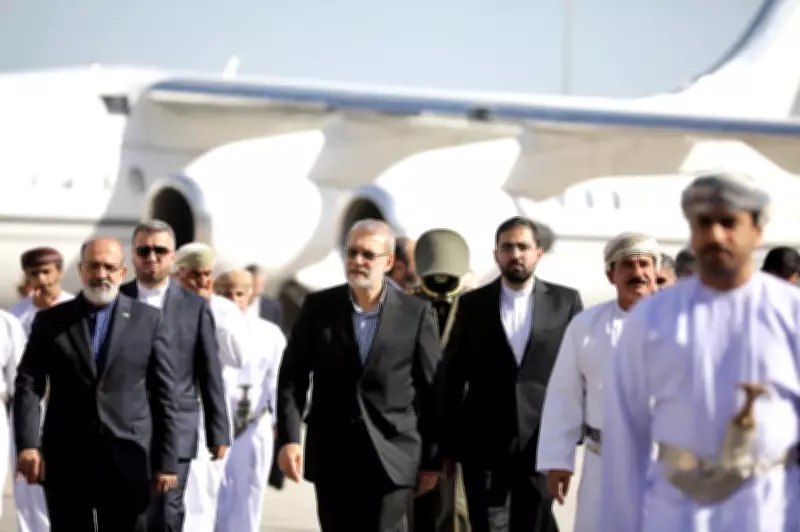
In a significant diplomatic development, Ali Larijani, the Secretary of Iran's Supreme National Security Council, has arrived in Muscat, Oman, on Tuesday, February 10, 2026. His presence in the Gulf sultanate, a traditional mediator in regional affairs, is widely interpreted as a precursor to high-stakes negotiations with United States officials, with the central agenda likely revolving around Iran's contentious nuclear program.
The visit, confirmed by an official photo release from Iran's Supreme National Security Council office, places Larijani at the heart of a delicate diplomatic channel. Oman has long served as a neutral ground for back-channel talks between Tehran and Washington, facilitating discussions on some of the most sensitive geopolitical issues. Analysts suggest that Larijani's mission carries a clear nuclear message, aimed at either de-escalating current tensions or laying the groundwork for a new round of formal negotiations regarding Iran's atomic activities and the potential revival of the Joint Comprehensive Plan of Action (JCPOA).
Strategic Timing and Regional Implications
The timing of this diplomatic maneuver is particularly noteworthy, occurring against a backdrop of persistent regional instability and fluctuating international relations. The presence of such a high-ranking Iranian security official in Oman signals Tehran's continued engagement with diplomatic avenues, despite public posturing. For the United States, these talks represent a critical opportunity to address non-proliferation concerns directly with a key Iranian decision-maker outside the formal constraints of larger multilateral forums.

This development underscores Oman's enduring role as a pivotal intermediary in Middle Eastern diplomacy. The sultanate's neutral foreign policy and trusted relationships with both Western powers and Iran make it an ideal venue for such discreet, yet potentially groundbreaking, dialogues. The outcome of these discussions could have profound implications for regional security architecture, global energy markets, and the broader non-proliferation regime.
Focus on Core Nuclear Issues
While the precise details of the agenda remain confidential, experts anticipate the talks will focus on several core issues:
- The status and level of Iran's uranium enrichment activities.
- International monitoring and verification protocols for nuclear sites.
- Potential steps for reciprocal sanctions relief and confidence-building measures.
- The long-term future of the nuclear agreement framework.
Larijani's involvement is significant, given his direct reporting line to Iran's Supreme Leader and his influence over the country's security and strategic policy. His participation suggests that any messages conveyed or agreements tentatively explored in Muscat carry substantial weight within the Iranian political hierarchy. The international community will be watching closely for any signals of progress that could pave the way for more formal and public diplomatic engagements in the near future.