Newfoundland LNG Project Announced Without Mayor's Consultation, Sparking Local Concerns
In a significant development for Canada's energy sector, business leaders have publicly announced ambitious plans to develop a liquefied natural gas (LNG) facility in rural Newfoundland. However, this corporate enthusiasm has been met with immediate local skepticism, as the mayor of the affected community reveals he hasn't been consulted about the project.
Corporate Announcement and Partnership Details
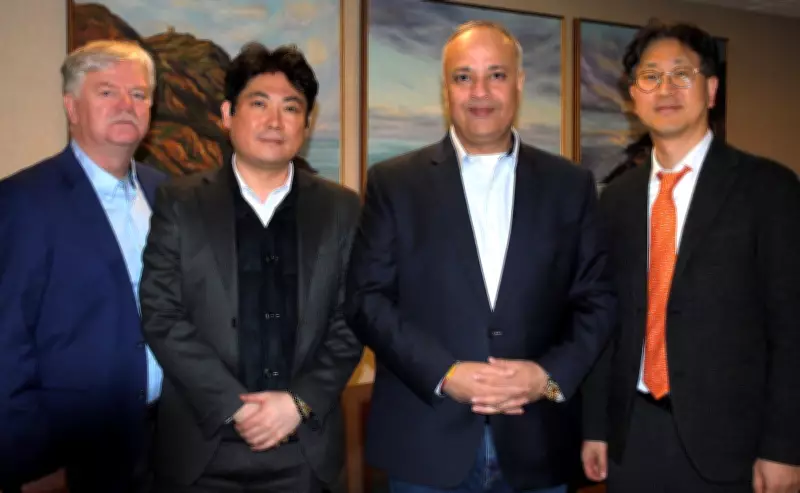
The proposed LNG project involves a partnership between Fermeuse Energy Ltd. and South Korean shipbuilding giant Hanwha Ocean. Representatives from both companies, including Mike Rose of Fermeuse Enterprises Ltd., Swapan Kataria of Fermeuse Energy Ltd., and Hanwha Ocean executives Sungsu Ahn and Hochul Kim, gathered at a St. John's hotel in January 2026 to announce their collaborative venture.
This proposed facility represents a potentially transformative economic opportunity for rural Newfoundland, promising job creation and infrastructure development in a region that has historically faced economic challenges. The companies have positioned the project as aligning with global energy demands while leveraging Newfoundland's strategic coastal location.

Local Government Left in the Dark
Despite the high-profile corporate announcement, the mayor of the municipality where the project would be located has revealed a troubling lack of communication. The mayor states unequivocally that nobody from the companies has talked to him about the LNG plans, raising serious questions about community engagement and local governance.
This communication gap highlights a recurring tension in resource development projects across Canada, where corporate announcements often precede meaningful consultation with local stakeholders. The mayor's position suggests potential challenges ahead for the project's social license to operate, as community buy-in remains uncertain.
Broader Implications for Rural Development
The situation in Newfoundland reflects broader national conversations about:
- Community consultation protocols in major industrial projects
- Balancing economic development with local autonomy
- Transparency requirements for corporations proposing significant infrastructure
- Rural-urban dynamics in resource development decisions
As Canada continues to navigate complex energy transitions, this Newfoundland case study demonstrates how communication failures at the project's inception can create immediate obstacles to implementation. The mayor's revelation suggests that despite corporate enthusiasm, the project faces an uphill battle in establishing local trust and cooperation.
Looking Forward: Next Steps and Considerations
The disconnect between corporate planning and local consultation raises important questions about how such projects should proceed. Effective community engagement typically involves:
- Early and transparent communication with local governments
- Meaningful dialogue about potential impacts and benefits
- Incorporation of local knowledge and concerns into project planning
- Establishment of clear channels for ongoing community input
As the LNG proposal moves forward, all parties will need to address this communication gap to ensure the project can proceed with genuine community support. The mayor's statement serves as a reminder that successful resource development requires more than corporate partnerships—it demands genuine engagement with the communities most affected by industrial activities.