B.C. Tribunal Settles Unusual Condo Dispute Over Decomposing Rodent in Wall
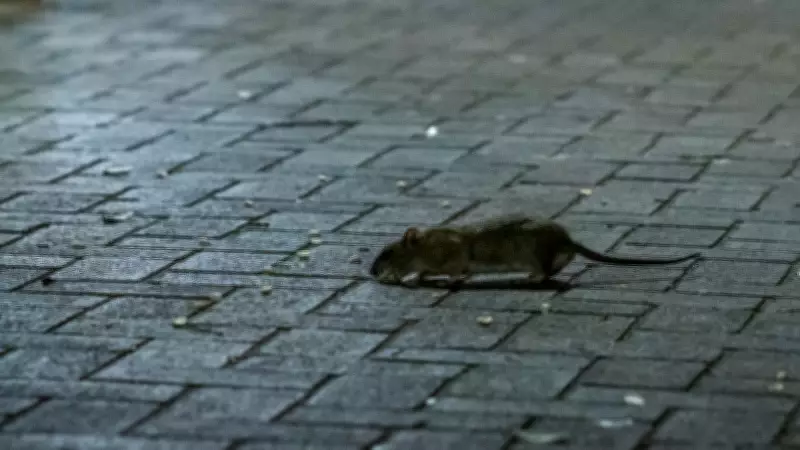
A British Columbia civil resolution tribunal has made a decisive ruling in a rather unusual strata property dispute that centered on an "odourous rat carcass" trapped within a condo wall. The case, which was recently adjudicated, underscores the complex challenges of urban living, pest management, and strata corporation responsibilities in densely populated residential buildings.
The Core of the Conflict
The dispute emerged when residents in a Vancouver-area condominium building began noticing a persistent, foul odour permeating their living space. After investigation, it was determined that the source was a deceased rodent—specifically a rat—that had become lodged inside an interior wall cavity. As the carcass decomposed, it created significant sanitation concerns and discomfort for the occupants.
The tribunal heard arguments regarding responsibility for removal and associated costs, with the strata corporation and unit owners presenting differing views on maintenance obligations and pest control protocols. In its ruling, the tribunal carefully interpreted the strata's bylaws and the British Columbia Strata Property Act to determine liability and mandate appropriate remedial actions.

Broader Implications for Urban Housing
This case highlights several important issues facing condo dwellers and strata councils in British Columbia:
- Pest Infestation Protocols: The incident raises questions about preventive measures and response plans for rodent infestations in multi-unit buildings, which are common in urban centers like Vancouver.
- Strata Governance Challenges: It demonstrates how seemingly minor maintenance issues can escalate into formal legal disputes, requiring tribunal intervention to resolve conflicts between residents and governing bodies.
- Health and Sanitation Standards: Decomposing animal remains pose potential health risks, including odour nuisance and air quality concerns, making timely resolution essential for resident wellbeing.
While the specific financial details of the settlement remain confidential, the tribunal's decision establishes a precedent for how similar cases might be handled in the future. It emphasizes the importance of clear strata bylaws regarding pest control and building maintenance, as well as the need for prompt action when such issues arise.
Urban Wildlife and Dense Living
Vancouver, like many Canadian cities, faces ongoing challenges with urban wildlife as natural habitats intersect with expanding residential developments. Rats and other rodents frequently find their way into buildings through small openings, creating conflicts between human inhabitants and unintended animal guests.
The tribunal's ruling serves as a reminder to both strata corporations and individual unit owners about their shared responsibilities in maintaining hygienic living environments. It also points to the value of professional pest management services and regular building inspections to prevent such situations from occurring or escalating.
As urban density increases across British Columbia, disputes like this one may become more common, making clear governance structures and conflict resolution mechanisms increasingly important for harmonious condo living.