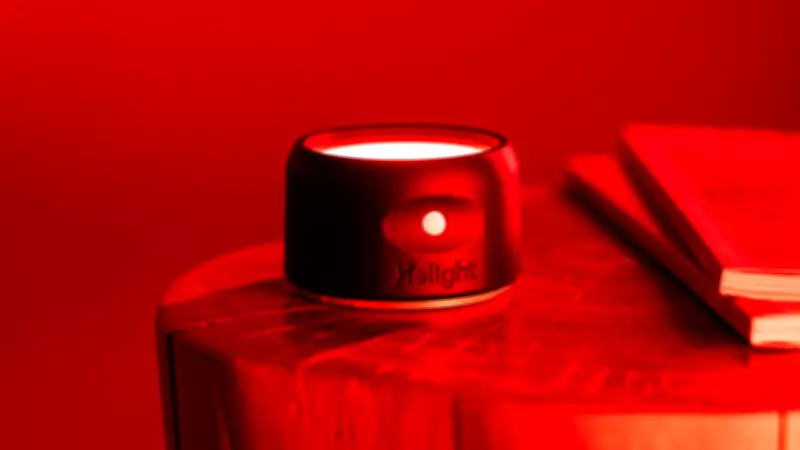
I Tested a Red Light Sleep Device: Is It Worth the Hype? My Honest Review
In the ever-evolving world of wellness technology, red light therapy has emerged as a popular trend, promising benefits ranging from skin rejuvenation to improved sleep. As someone constantly seeking better rest, I decided to put a red light sleep device to the test to see if it truly delivers on its claims. This review provides my firsthand experience, detailing the setup, usage, and results over a trial period.
Understanding Red Light Therapy for Sleep
Red light therapy involves exposure to low-wavelength red light, which is believed to penetrate the skin and stimulate cellular processes. Proponents argue that it can enhance sleep by regulating circadian rhythms and increasing melatonin production. With sleep disorders affecting many Canadians, such devices have gained attention as a non-invasive solution. My goal was to evaluate whether this device could help me fall asleep faster and enjoy deeper, more restorative sleep.
My Testing Process and Initial Impressions
I used the device consistently for several weeks, following the manufacturer's guidelines. The setup was straightforward, involving placing the device near my bed and using it for a specified duration before bedtime. Initially, I was skeptical about the subtle red glow, but I found it surprisingly calming. Over time, I monitored my sleep patterns using a sleep tracker, noting any changes in sleep latency, duration, and overall quality.

Results and Effectiveness Analysis
After the trial period, I observed a moderate improvement in my sleep. Specifically, I noticed a reduction in the time it took to fall asleep and a slight increase in deep sleep stages. However, the effects were not dramatic; the device seemed to work best as part of a broader sleep hygiene routine, including limiting screen time and maintaining a consistent schedule. While it didn't completely transform my sleep, it did contribute to a more relaxed pre-bedtime environment.
Is It Worth the Investment?
Considering the cost and the subtle benefits, this red light sleep device may be worth it for individuals struggling with mild sleep issues or those interested in holistic wellness tools. It's not a magic cure, but it can be a helpful adjunct to other sleep-promoting practices. For those with severe sleep disorders, consulting a healthcare professional is advisable. Overall, while the hype might be slightly overblown, the device offers a non-invasive option worth exploring for better sleep health.
Note: Prices and availability are subject to change. Always research and compare products before making a purchase to ensure they meet your specific needs and budget.