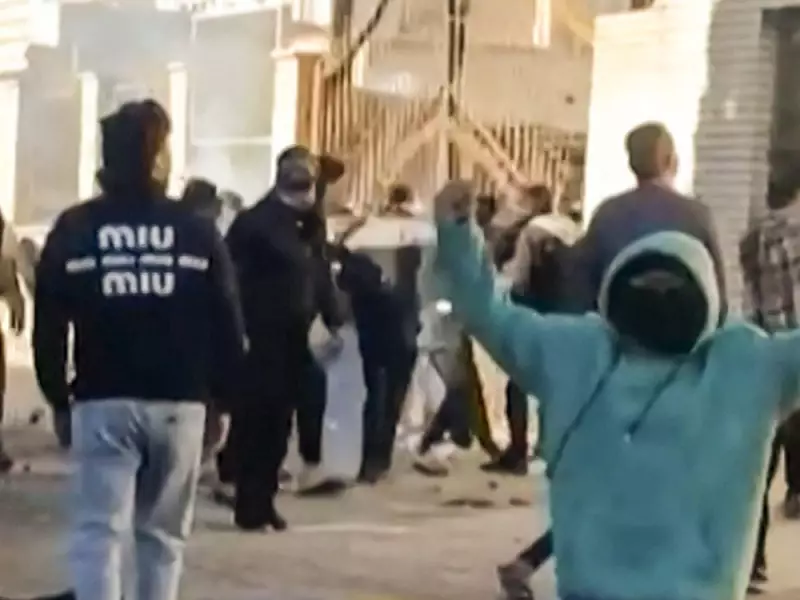
Iran is facing its most significant wave of civil unrest in years, with protests now reaching a scale that rivals historic uprisings against the theocratic regime. Unlike previous demonstrations, which were often swiftly crushed, the current movement has persisted for over two weeks, spreading to 26 of Iran's 31 provinces and presenting a severe challenge to the government's authority.
Economic Collapse Fuels Widespread Anger
The immediate catalyst for the protests is a profound economic crisis. The Iranian currency, the rial, has been in freefall, hitting a record low of nearly 1.5 million to the U.S. dollar in December 2025. This represents a catastrophic devaluation from a rate of 32,000 to the dollar in 2015 when the nuclear accord was signed.
This currency collapse has exacerbated already rampant inflation, which has run close to 50 per cent in recent months, making basic consumer goods unaffordable for many citizens. The economic turmoil prompted the resignation of the central bank governor on December 29, 2025.

Protests ignited the day before the resignation and quickly gained momentum when merchants in Tehran's Grand Bazaar went on strike in solidarity. The movement rapidly spread to other major cities in western Iran, leading to widespread closures of shops and schools.
A Regime Under Unprecedented Pressure
The protests have taken a notably bold turn, with some demonstrators openly denouncing Supreme Leader Ayatollah Ali Khamenei—a rare act of defiance in the Islamic Republic. The regime's response has involved intense security operations, but it has so far failed to quell the dissent as it has in past uprisings, such as the 2022 protests following the death of Mahsa Amini.
Casualties are mounting. Reports indicate that at least 19 protesters and one security official have been killed in the clashes. The U.S.-based advocacy group Human Rights Activists in Iran reports that nearly 1,000 people have been arrested.
Some international reports suggest the regime is on the brink of collapse, with security services potentially unwilling to fully support the government. In a stunning development, some intelligence circles are circulating reports that Supreme Leader Khamenei has a contingency plan to flee to Russia if the situation deteriorates further.
International Reactions and the Threat of Intervention
The global community is watching closely, with the United States issuing a stark warning. U.S. President Donald Trump stated plainly, "We're watching it very closely. If they start killing people like they have in the past, I think they're going to get hit very hard by the United States." He reinforced this threat earlier on social media, posting, "We are locked and loaded and ready to go."
This warning carries added weight following recent U.S. military action in Venezuela. Israel has also voiced support for the protesters, with Prime Minister Benjamin Netanyahu expressing "solidarity with the struggle of the Iranian people." Iran's foreign ministry condemned these statements as attempts to undermine national unity.
The tensions follow a 12-day war in June where Israel, backed by the U.S., attacked and severely damaged key Iranian nuclear facilities at Fordow, Isfahan, and Natanz.
A Historical Pattern of Repression
Iran has a history of suppressing dissent with force. The current protests are being compared to the massive 2022 uprising sparked by the death of 22-year-old Mahsa Amini in police custody after her arrest for allegedly violating hijab laws. That movement was eventually put down with severe state violence and mass prosecutions.
The critical question now is whether the current combination of economic desperation, widespread participation, and explicit international threats will lead to a different outcome, potentially altering the course of Iran's modern history.