Inuit Delegation Embarks on Historic Journey to Greenland for Canadian Consulate Opening
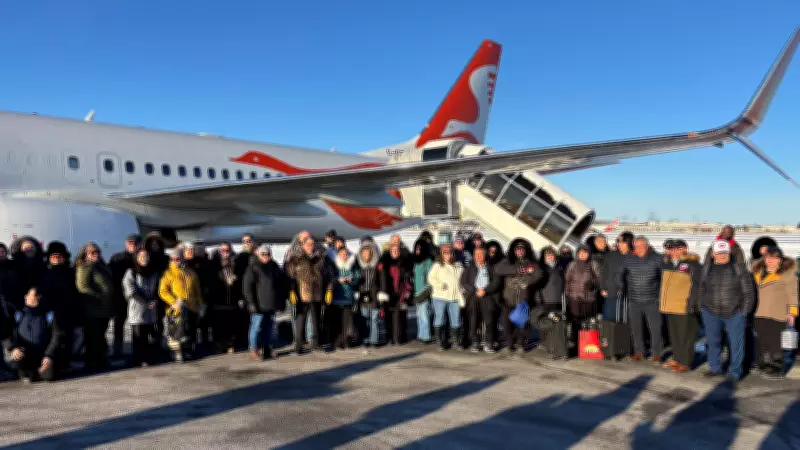
In a significant display of cultural and diplomatic solidarity, dozens of Inuit representatives from Canada are making their way to Greenland this week. Their mission is to attend the official opening of a new Canadian consulate, an event that carries profound symbolic weight for Arctic communities. This gathering underscores the enduring ties between Indigenous peoples across the North American Arctic, reinforcing a shared heritage and common interests in the region's future.
Geopolitical Tensions Cast a Long Shadow Over Arctic Diplomacy
The consulate inauguration occurs against a backdrop of heightened geopolitical uncertainty, largely influenced by former U.S. President Donald Trump. Recent discussions have revealed Trump's renewed interest in a potential deal with NATO concerning Greenland, a move that could significantly alter the strategic landscape of the Arctic. Analysts, including Judy Trinh, have been closely examining the possible outcomes of such an agreement, warning that it might have far-reaching implications for Canada's foreign policy and sovereignty in the region.
This development places Canada in a delicate position, as it seeks to balance its relationships with both the United States and Greenland, an autonomous territory within the Kingdom of Denmark. The consulate opening is seen as a proactive step by Canada to strengthen its diplomatic presence and affirm its commitment to Arctic cooperation, even as external pressures mount.

A Moment of Unity and Cultural Affirmation
For the Inuit delegates, this journey is more than a diplomatic formality; it is a powerful affirmation of identity and unity. As one participant aptly stated, "We are one people," highlighting the deep cultural connections that transcend national borders. The consulate is expected to serve as a hub for fostering economic, educational, and cultural exchanges between Canadian Inuit and their Greenlandic counterparts, promoting mutual understanding and collaboration on issues such as climate change, resource management, and Indigenous rights.
The event also comes at a time when Indigenous voices are increasingly recognized in international forums, making this consulate a potential model for inclusive diplomacy. By involving Inuit leaders directly in the opening ceremonies, Canada is signaling a commitment to a more participatory approach in Arctic governance, one that respects and integrates traditional knowledge alongside modern statecraft.
Looking Ahead: Challenges and Opportunities in the Arctic
As the delegation arrives in Greenland, the broader context includes ongoing challenges such as environmental shifts, economic development, and security concerns. The shadow of Trump's potential NATO deal adds a layer of complexity, prompting Canada to reassess its strategic priorities in the Arctic. Experts suggest that this consulate could play a crucial role in facilitating dialogue and building resilience among Arctic nations, particularly in the face of unpredictable geopolitical maneuvers.
In conclusion, the opening of the Canadian consulate in Greenland marks a pivotal moment for Inuit communities and Arctic diplomacy. It embodies a blend of cultural pride and strategic foresight, set against a landscape of evolving international relations. As the world watches, this initiative may well set a precedent for how nations engage with Indigenous peoples and navigate the delicate dynamics of the High North in the years to come.