Former U.S. President Donald Trump has stated that Iran proposed negotiations, a claim made against the backdrop of intensifying and deadly anti-government protests within the country. This development comes as reports indicate hundreds have been killed in the ongoing demonstrations.
Protests and International Claims
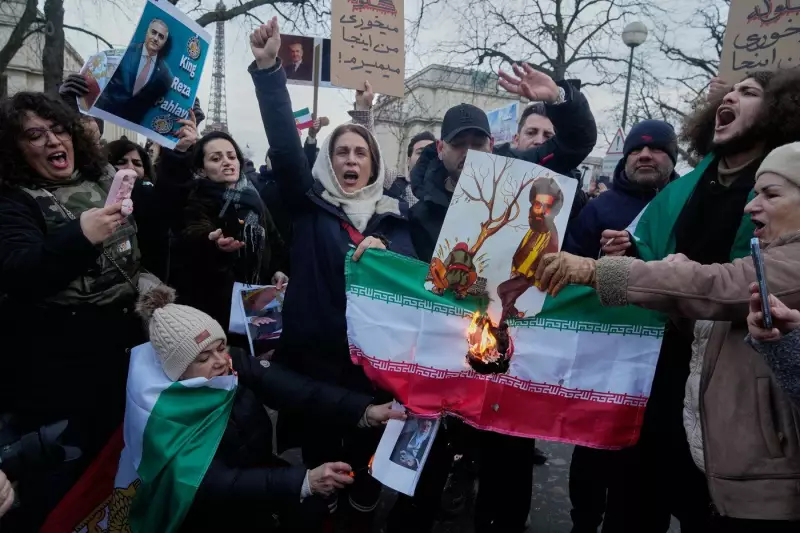
The situation in Iran remains volatile, with significant public unrest. On January 11, 2026, protesters in Paris burned the Iranian national flag during a rally supporting the mass demonstrations inside Iran. The protests have drawn international attention and expressions of solidarity from diaspora communities worldwide.
In a notable political statement, Donald Trump asserted that the Iranian government had put forward an offer to engage in negotiations. This claim adds a complex diplomatic layer to the severe domestic crisis facing the Iranian regime as it confronts widespread dissent.

Canadian Solidarity with Iranian Protests
The reverberations of the events in Iran have been felt strongly across Canada. Iranian communities in Manitoba and Saskatchewan have organized gatherings at their provincial legislatures to express support for the protesters in their homeland. These events underscore the deep connections many Iranian-Canadians maintain with the situation unfolding in Iran.
In Vancouver, a related protest was held at the U.S. Consulate. Meanwhile, in Toronto, police arrested eight individuals at what was described as a 'volatile' demonstration, with three allegedly assaulting officers. These incidents highlight how international tensions can manifest in Canadian cities.
A Broader Context of Unrest
The protests in Iran represent one of the most significant challenges to the government in recent years. The scale of the demonstrations and the reported casualty figures point to a profound level of civil discontent. The international community, including nations like Canada with significant Iranian populations, is closely monitoring the human rights situation and the regime's response.
Trump's comments regarding proposed negotiations introduce an unpredictable element into an already fraught geopolitical landscape. The interplay between internal revolt and external diplomatic maneuvers will likely define the next phase of this ongoing crisis.