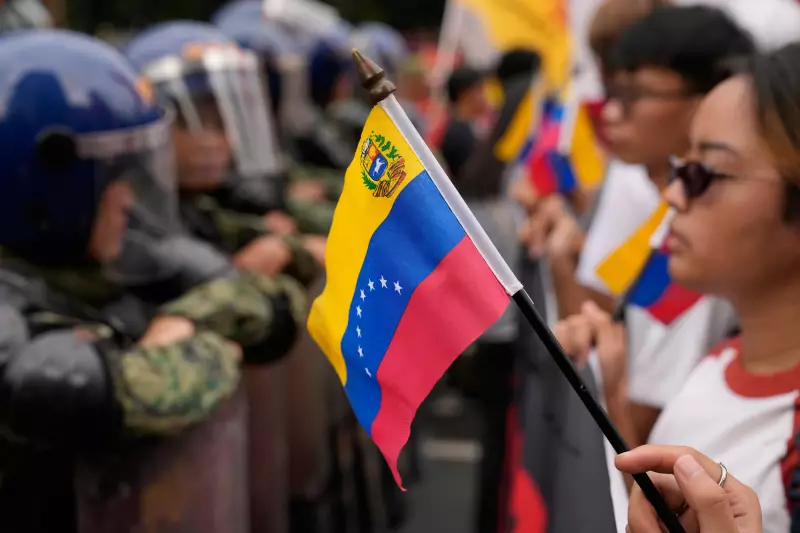
The international landscape was jolted this week by a dramatic and unprecedented action: the United States' apprehension of Venezuelan President Nicolás Maduro. The operation, which U.S. authorities claim was justified due to Maduro's alleged leadership of a narco-terrorist enterprise, has drawn a sharp response from Canada, which warns the move establishes a deeply troubling precedent in international relations.
A Bold U.S. Strike and Its Immediate Fallout
On January 5, 2026, Venezuelan leader Nicolás Maduro was taken into U.S. custody and made his first appearance in a U.S. courthouse to face formal drug trafficking charges. The U.S. government's position is that Maduro ran a state-sponsored narcotics and terrorism operation. However, this unilateral cross-border enforcement action has ignited a firestorm of diplomatic and legal debate.
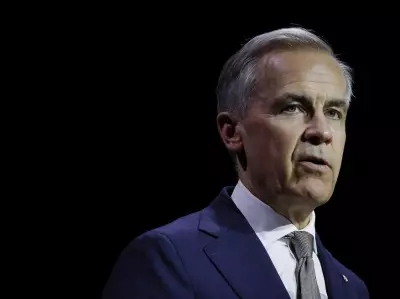
Canada has been quick to voice its profound concern. While not disputing the seriousness of the allegations, Canadian officials have emphasized that the method of Maduro's capture—effectively an abduction from a foreign nation—sets a dangerous international precedent. This stance highlights a potential rift in how close allies view the boundaries of sovereign intervention.

Why This 'Changes Everything' for Global Norms
Analysts are describing the event with grave seriousness. As noted by commentator Eric Ham, this action serves as a "clear warning shot" to the world. The principle of state sovereignty, a cornerstone of the modern international order, has been directly challenged by a major power using its military and intelligence capabilities to seize a sitting head of state.
For Canada, a nation that consistently advocates for a rules-based international order, this creates a significant dilemma. The precedent could theoretically be used by other nations to justify similar actions against individuals they deem criminals, potentially destabilizing diplomatic relations worldwide. It forces a re-evaluation of extradition treaties, international law enforcement cooperation, and the very definition of state sovereignty in an era of great power competition.
Broader Implications for Canadian Policy and Security
The ramifications for Canada are multifaceted. Firstly, it places Canada in a delicate position regarding its relationship with the United States, requiring careful diplomatic navigation to express dissent while maintaining a vital alliance. Secondly, it impacts Canada's foreign policy in the Americas, where it must now engage with a Venezuela in crisis and other nations alarmed by the U.S.'s action.
Furthermore, the event has immediate economic and security dimensions. Following the abduction, former U.S. President Donald Trump signaled potential U.S. access to Venezuela's vast oil reserves, a move that could shift global energy markets. For Canada, an energy exporter, this introduces new uncertainty. On the security front, the allegation of state-sponsored narco-terrorism brings the Western Hemisphere's drug trade and associated criminal networks into sharp, urgent focus for Canadian security agencies.
As the situation continues to evolve with Maduro's legal proceedings, Canada and its allies are left to grapple with a transformed geopolitical reality. The U.S. abduction of Maduro is more than a single news event; it is a catalyst that could redefine the limits of international action for decades to come, with Canada forced to adapt its policies in a less predictable world.