An official from Guinea's primary opposition coalition has been forcibly taken by unidentified individuals, the party announced, escalating concerns about political repression under the country's military-led transitional government.
Details of the Abduction
The opposition party, a key force in the nation's fragile political landscape, stated that one of its officials was abducted on January 10, 2026. The party has publicly accused authorities of being behind the disappearance, though no group has officially claimed responsibility. The incident marks a significant escalation in the tactics used against political dissent.
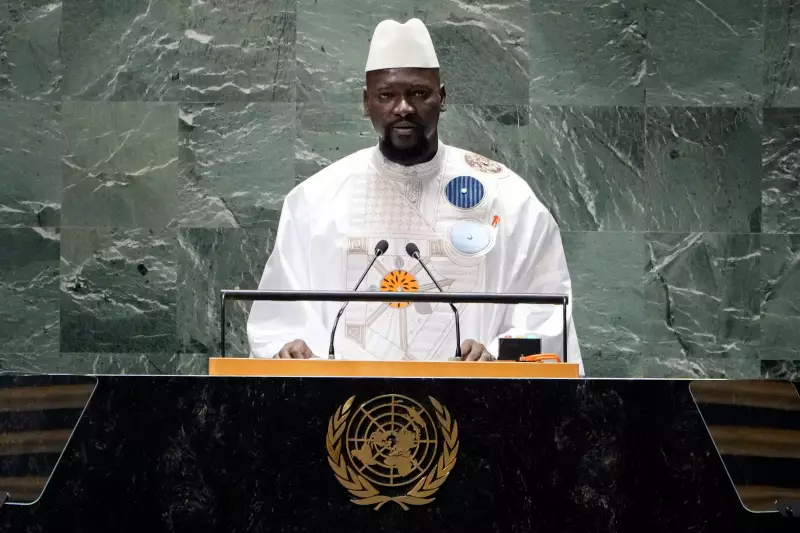
This event occurs against the backdrop of rule by President Mamadi Doumbouya, the army colonel who seized power in a 2021 coup. Doumbouya, who addressed the United Nations General Assembly in September 2023, has promised a transition to civilian rule but has repeatedly postponed elections and cracked down on protests.

Context of Political Instability
The abduction is seen by analysts as part of a broader pattern of intimidation targeting opposition figures and critics of the transitional council. Since the coup, the political environment in Guinea has been characterized by:
- Repeated delays in the promised democratic transition timeline.
- Violent suppression of street protests against the junta.
- Arrests and detentions of prominent opposition leaders and activists.
The forced disappearance of a party official represents a dangerous new threshold, moving beyond arrests to clandestine seizures, which human rights groups describe as a tactic designed to spread fear and obscure accountability.
International and Domestic Repercussions
The abduction is likely to further strain Guinea's relations with international partners, including regional bodies like the Economic Community of West African States (ECOWAS), which has been pushing for a swift return to constitutional order. Domestically, it threatens to deepen the rift between the military government and a populace growing increasingly frustrated with economic hardship and political uncertainty.
The opposition party has demanded the immediate and unconditional release of its member and called for an independent investigation. However, given the government's control over state institutions, such an inquiry is considered unlikely by observers.
This incident underscores the volatile and repressive climate in Guinea, where the promise of a democratic future appears to be receding as the junta consolidates power through increasingly authoritarian measures. The safety of political actors and the fundamental right to dissent now hang in the balance.