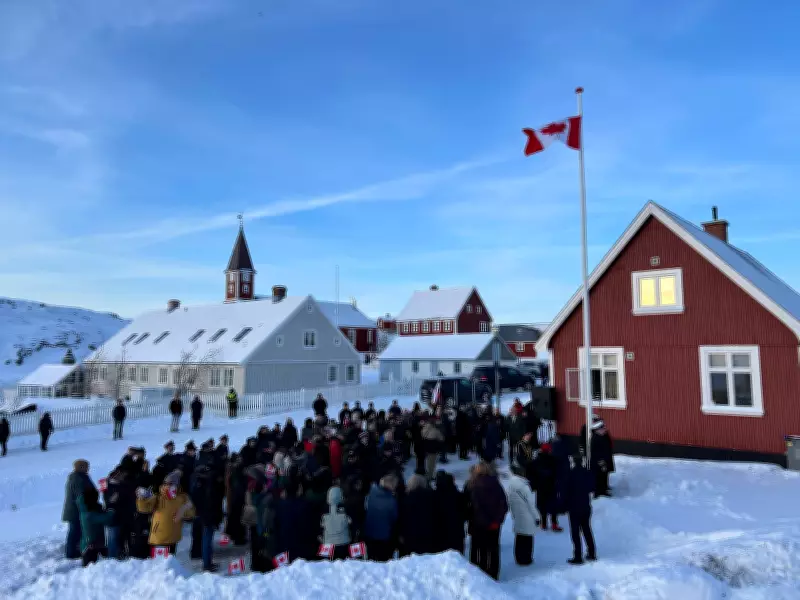
Greenlanders Share Mixed Reactions to Canada's New Diplomatic Presence
As Canada establishes a new consulate in Greenland, local residents are expressing a range of emotions, from cautious optimism to skepticism, amid heightened geopolitical attention on the Arctic region. The move comes as rhetoric from the United States continues to influence perceptions and discussions among Greenlanders about their place on the international stage.
A Symbolic Gesture in a Strategic Region
The opening of Canada's consulate is seen by many as a symbolic step toward strengthening bilateral ties. For some Greenlanders, it represents a recognition of their growing importance in global affairs, particularly in discussions about climate change, resource development, and sovereignty. "It feels like we're not alone in this," one resident noted, highlighting the consulate as a tangible sign of international engagement.
However, others view the diplomatic presence through a lens of caution, questioning the underlying motives. With the Arctic becoming a hotspot for economic and strategic interests, there are concerns about external powers exerting influence over Greenland's future. The consulate, while welcomed by some, also sparks debates about autonomy and the potential for increased foreign involvement in local affairs.

U.S. Rhetoric and Its Impact on Local Sentiment
The rhetoric emanating from the United States has played a significant role in shaping Greenlanders' reactions. Comments and policies from U.S. officials have often framed Greenland in terms of strategic competition, which has led to mixed feelings among the population. While some appreciate the attention and potential economic opportunities, others worry about being caught in a geopolitical tug-of-war between larger nations.
This dynamic has prompted Greenlanders to reflect on their identity and aspirations. The consulate serves as a focal point for these discussions, with residents weighing the benefits of closer ties with Canada against the risks of increased external pressure. As one community leader explained, "We want partnerships that respect our sovereignty and priorities, not just strategic interests."
Broader Implications for Arctic Relations
The establishment of Canada's consulate is part of a broader trend of intensified diplomatic activity in the Arctic. Nations are increasingly recognizing the region's significance due to climate change, which is opening new shipping routes and access to natural resources. For Greenland, this means navigating complex relationships with neighboring countries while asserting its own voice in international forums.
Looking ahead, the consulate could facilitate greater cooperation on issues such as environmental protection, indigenous rights, and sustainable development. However, it also underscores the need for Greenland to balance engagement with preservation of its cultural and political autonomy. As global interest in the Arctic grows, the reactions of Greenlanders will continue to be a key factor in shaping the region's future.
In summary, Canada's new consulate in Greenland has elicited diverse responses from residents, reflecting both hope for strengthened ties and caution over geopolitical dynamics. Amid ongoing U.S. rhetoric, Greenlanders are actively engaging in conversations about their role in the Arctic, highlighting the importance of respectful and equitable international partnerships.