European Union leaders engaged in marathon negotiations late into the night of Thursday, December 18, 2025, in Brussels. The central issue was alleviating Belgium's specific security concerns regarding a proposed substantial financial loan to Ukraine, amid fears of potential retaliation from Russia.
Late-Night Diplomacy at the Heart of Europe
The summit, held in the EU's capital, saw discussions stretch well past normal hours as officials sought a consensus. The primary sticking point was not the principle of supporting Ukraine, but the perceived risks to Belgium, which hosts several key EU and NATO institutions. Belgian officials, led by Prime Minister Bart De Wever, expressed apprehension that the country could become a direct target for Russian countermeasures if it played a prominent role in financing Ukraine's war effort.
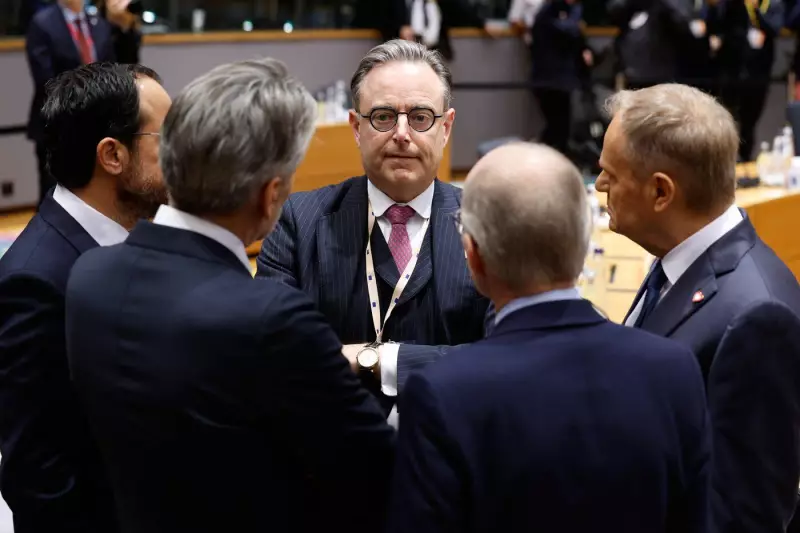
Photographs from the event showed Prime Minister De Wever in deep discussion with counterparts including Cypriot President Nikos Christodoulides, Netherlands Prime Minister Dick Schoof, Luxembourg's Prime Minister Luc Frieden, and Poland's Prime Minister Donald Tusk. The body language and intense conversations around the table underscored the gravity and complexity of the talks.

Balancing Support with Sovereign Security
The negotiations reveal a critical challenge for the European bloc: maintaining unified support for Kyiv while managing the individual security calculations of its member states. Belgium's position highlights how the geopolitical fallout from the Russia-Ukraine conflict continues to create nuanced internal pressures within the alliance.
While the exact details of the proposed loan and the specific assurances sought by Belgium were not fully disclosed in the initial reports, the fact that it required such high-level, prolonged discussion indicates the sensitivity of the matter. The goal for other EU leaders was to craft a package that would allow the financial aid to proceed while providing sufficient political or security guarantees to satisfy Belgian concerns.
A Test of European Unity and Resolve
This episode serves as a microcosm of the broader tensions within Europe as the war persists. It underscores that European solidarity is not automatic and requires constant, painstaking diplomacy. Each nation assesses support for Ukraine through the lens of its own national interest and vulnerability.
The outcome of these overnight talks was crucial for demonstrating continued EU resolve. Failure to address Belgium's fears could have delayed or diluted a significant support package for Ukraine at a critical time. The willingness to negotiate through the night suggests a high priority was placed on finding a workable solution that keeps the bloc united in its backing of Ukraine against Russian aggression.