The International Olympic Committee (IOC) has announced it will lift the ban on the Russian Olympic Committee, allowing Russian athletes to compete at the 2028 Olympics. The decision comes amid Russia's ongoing war in Ukraine and has drawn sharp criticism from Canadian officials and sports commentators.
IOC Decision Draws Outrage
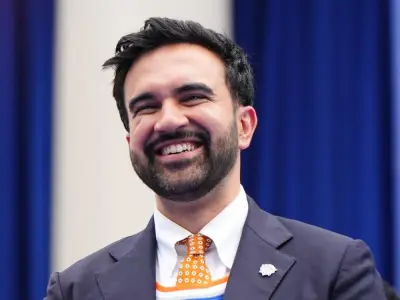
Canadian Sports Minister Adam van Koeverden expressed his strong opposition in a Facebook post, stating he is 'appalled' by the move. 'Canada strongly opposes the International Olympic Committee’s decision to lift the suspension of the Russian Olympic Committee, which had been in effect since October 12, 2023,' he wrote.
The IOC lifted the ban despite Russia's recent massive assault on Kyiv, which targeted apartment buildings and killed scores of civilians. Critics argue that Russian athletes have also been implicated in multiple state-sponsored doping scandals, further tarnishing the integrity of sports.

Conditions and Future Decisions
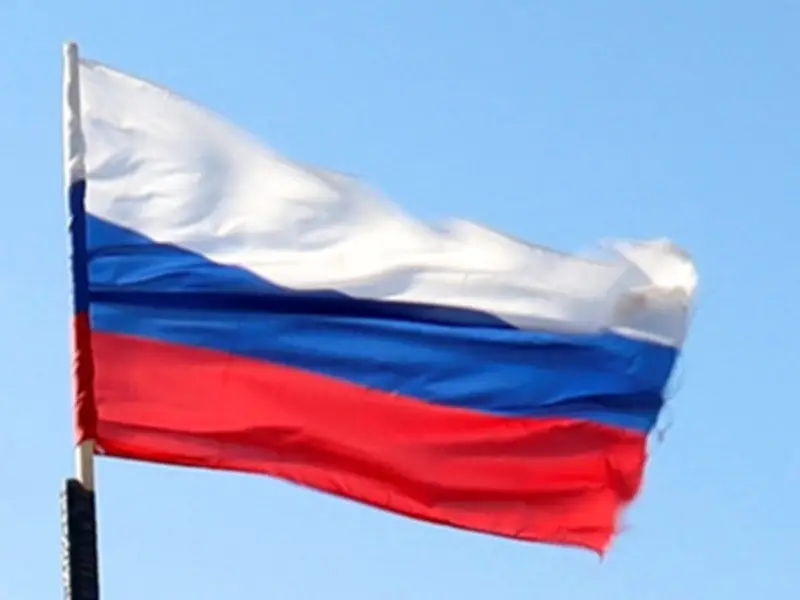
The IOC stated that Olympic events will not be held in Russia and that Russian athletes must meet all anti-doping requirements. However, the committee will decide later whether athletes can compete under the Russian flag and anthem. The partial reinstatement has been criticized as insufficient and hypocritical.
According to Sky News, the IOC's decision has emboldened FIFA to reconsider its ban on Russian participation in the World Cup, a move that could further normalize Russia's presence in international sports despite the war.
Stanley Cup Desecration
In a separate incident highlighting sports governance issues, Carolina Hurricanes owner Tom Dundon reportedly had the names of his wife and five children inscribed on the Stanley Cup. Teams are allowed 55 names, and his family occupied the first seven spots. This act has been condemned as desecration of a historic trophy donated by Lord Frederick Stanley, a Governor General of Canada. Critics argue that the Cup belongs to hockey, not individuals, and that Dundon's family is unworthy of being listed alongside legends like Wayne Gretzky, Gordie Howe, Henri Richard, Dave Keon, and Jean Beliveau.
Broader Implications
The editorial concludes that sports and politics are deeply intertwined, and actions by governing bodies often undermine athletic purity. The IOC's decision and the Stanley Cup incident both exemplify a troubling trend of hubris and mismanagement. It calls for a return to prioritizing athletes and the spirit of competition over political and personal interests.