The governments of Denmark and Greenland are seeking to initiate discussions with prominent U.S. Senator Marco Rubio. This diplomatic move comes directly in response to the White House once again publicly stating its interest in the vast, strategically important Arctic island of Greenland.
White House Reaffirms Arctic Interest
The push for dialogue was triggered by a renewed statement from the White House expressing its desire regarding Greenland. While the specific wording of the latest statement is not detailed in the initial report, it was significant enough to prompt an immediate response from Copenhagen and Nuuk. This is not the first time U.S. interest in Greenland, an autonomous territory within the Kingdom of Denmark, has surfaced, causing diplomatic ripples.
The decision to reach out to Senator Marco Rubio, a senior Republican figure on the Senate Foreign Relations Committee, indicates a targeted approach by Danish and Greenlandic officials. They are aiming to engage with influential U.S. lawmakers who shape American foreign policy, particularly concerning the Arctic region.

A Coordinated Response from Copenhagen and Nuuk
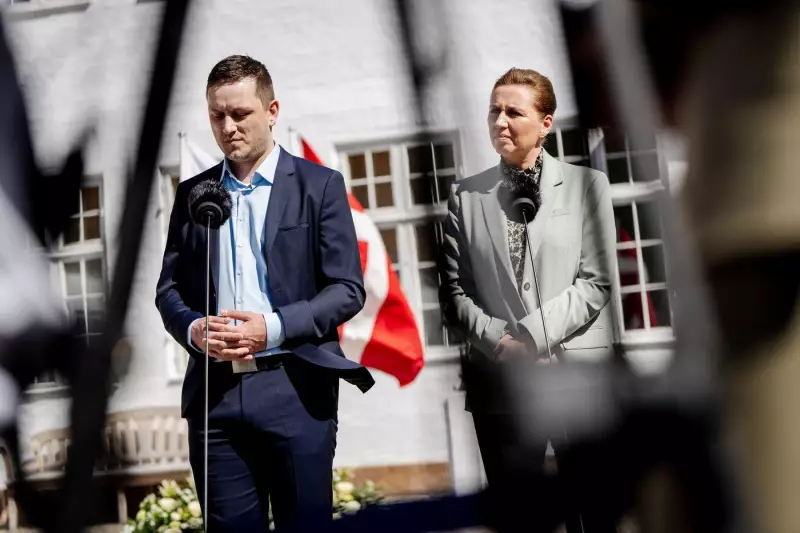
The response is a joint effort, highlighting the unique political relationship between Denmark and Greenland. Prime Minister Mette Frederiksen of Denmark and Prime Minister Jens-Frederik Nielsen of Greenland are coordinating their approach. The two leaders were photographed in discussion at Marienborg, the Danish Prime Minister's official residence, on April 27, 2025, underscoring their ongoing partnership.
Greenland, while self-governing in most domestic affairs, relies on Denmark for foreign and security policy. This structure makes a unified front essential when addressing overtures from a global power like the United States. The island's significance has grown due to its:
- Geostrategic location in the Arctic.
- Potential mineral and rare earth element resources.
- Role in climate change research and new shipping routes.
Geopolitical Implications and Next Steps
This development underscores the increasing geopolitical competition in the Arctic. As ice recedes, nations are vying for influence, access to resources, and control over new sea lanes. The United States' persistent interest, now met with a formal request for talks by the island's governing powers, signals a new phase in Arctic diplomacy.
The request for talks with Senator Rubio is a proactive step by Denmark and Greenland. It aims to clarify U.S. intentions, articulate Greenland's position on its own future, and ensure that any discussions about the island include its legitimate representatives. The outcome of this proposed dialogue could have lasting implications for Arctic security, international relations, and the right to self-determination for Greenland's people.
As of early January 2026, the ball is now in Senator Rubio's court. Whether these talks proceed, and what they might yield, remains a key point of observation for analysts tracking the delicate balance of power in the High North.