Canada and Denmark: Eight Decades of Partnership and Shared Values
This year marks a significant milestone in international diplomacy as Canada and the Kingdom of Denmark celebrate 80 years of formal diplomatic relations. Established in the aftermath of the Second World War, this bilateral relationship has grown into a robust partnership anchored in mutual respect, common principles, and strategic cooperation across multiple domains.
A Foundation Built on Shared Democratic Principles
From its inception, the Canada-Denmark relationship has been firmly rooted in a joint commitment to democracy, human rights, and the international rules-based order. Over eight decades, both nations have consistently demonstrated their dedication to these foundational values, which continue to guide their collaborative efforts on the global stage. This enduring alignment has created a stable framework for addressing contemporary challenges together.
Geographic Proximity and Arctic Collaboration
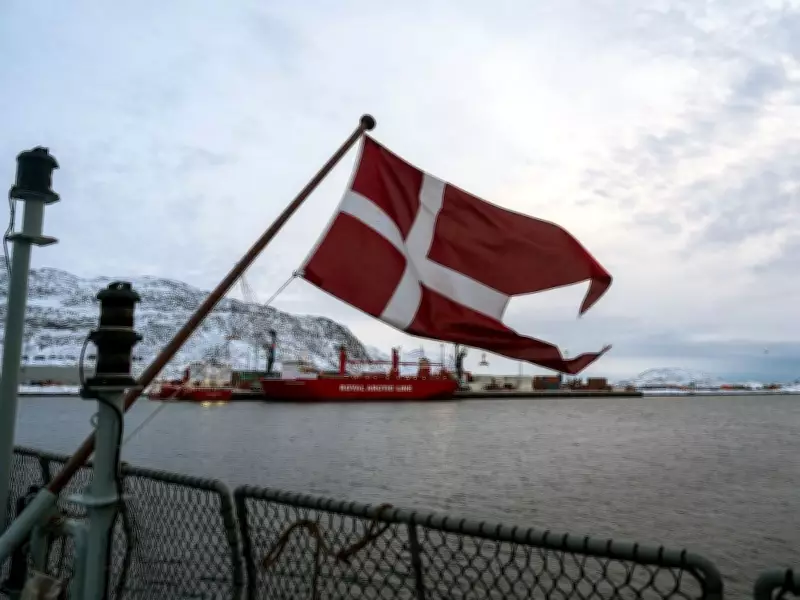
Geography plays a crucial role in strengthening this partnership. As neighbours in the North, Canada interacts with the Kingdom of Denmark through its three constituent countries: Denmark, the Faroe Islands, and Greenland. The historical connections between the peoples of Greenland and Nunavut extend far beyond formal diplomatic ties, creating natural bonds that enhance cooperation.

This week's opening of a new Canadian consulate in Nuuk, Greenland, alongside visits by Governor General Mary Simon and Foreign Affairs Minister Anita Anand to Copenhagen and Nuuk, signals the beginning of an exciting new chapter in this longstanding relationship. Both countries share a common vision for the Arctic region, focusing on:
- Promoting sustainable prosperity for Arctic communities
- Protecting the region's sensitive and unique ecosystems
- Maintaining the Arctic as a zone of stability and constructive international cooperation
Through institutions like the Arctic Council and various international forums, Canada and Denmark have consistently advocated for Arctic security and development. Their 2022 agreement resolving the Hans Island/Tartupaluk territorial dispute—ending what was humorously called the "Whiskey War"—demonstrated how respect for international law can peacefully settle disagreements between nations.
Security Partnership Within NATO Framework
Beyond Arctic concerns, Canada and Denmark are natural security partners with deep historical ties to the North Atlantic Treaty Organization. As founding NATO members, both countries are strong supporters of the transatlantic alliance, investing billions in collective security with particular emphasis on Arctic capabilities.
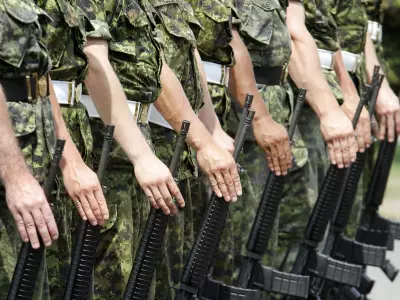
Their militaries have served together in missions worldwide, and currently, Denmark contributes hundreds of soldiers to the multinational Brigade in Latvia under Canadian command and leadership. Both nations have also been unwavering supporters of Ukraine through the Coalition of the Willing, providing resources to counter Russia's illegal war of aggression. This collaborative security approach reinforces the principle that collective defense remains the most effective strategy for preserving peace.
Economic Ties and Trade Relations
Economically, the Canada-Denmark relationship has flourished over eight decades through substantial trade and investment exchanges. Denmark was among the first European nations to ratify the Comprehensive Economic and Trade Agreement between Canada and the European Union, demonstrating strong confidence in Canada's economy and workforce.
Today, more than 150 Danish businesses and subsidiary companies operate within Canada, contributing to job creation, innovation, and economic growth in both countries. This commercial engagement complements the diplomatic and security cooperation, creating a comprehensive partnership that addresses multiple aspects of international relations.

As Canada and Denmark celebrate this diplomatic anniversary, their relationship stands as a testament to how shared values and strategic interests can create enduring partnerships that benefit both nations and contribute to global stability. The next chapter promises continued collaboration on pressing issues from Arctic development to international security challenges.