The Government of Canada has formally added its voice to a chorus of international condemnation against the Iranian regime for its lethal suppression of domestic protesters. The move underscores Ottawa's continued focus on human rights abuses in the Islamic Republic.
Ottawa's Firm Stance on Human Rights
On January 12, 2026, Canadian officials issued a strong rebuke, aligning with global partners in denouncing the Iranian government's actions. The condemnation follows reports of security forces using deadly violence against citizens participating in nationwide mass protests. While the statement did not specify recent casualty figures, it references a pattern of harsh state responses that have drawn widespread criticism from Western democracies.
The Canadian position reinforces a longstanding foreign policy commitment to advocate for human rights and democratic freedoms abroad. By joining other nations in this condemnation, Ottawa aims to apply diplomatic pressure on Tehran and demonstrate solidarity with the Iranian people seeking political change.

Global Context and Domestic Solidarity
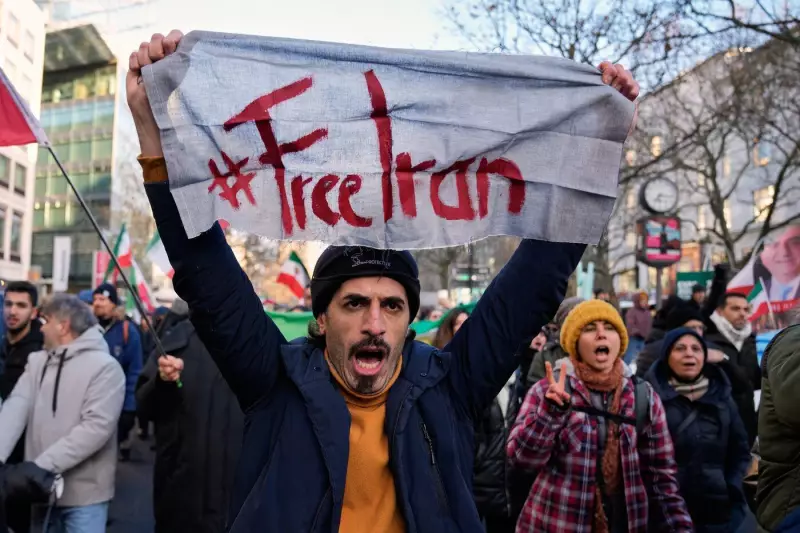
The international outcry coincides with visible shows of support from the Iranian diaspora within Canada. For instance, on Saturday, January 10, 2026, a large demonstration was held in Berlin, Germany, as captured in an Associated Press photograph, showing solidarity with the protests inside Iran. Similarly, within Canada, communities have mobilized.
Iranian-Canadian groups in Manitoba and Saskatchewan have gathered at their provincial legislatures in recent days to express support for the anti-government movements in their homeland. These gatherings highlight how the issue resonates deeply within Canada's diverse cultural fabric and connects domestic advocacy with global geopolitical events.
Implications for Canada-Iran Relations
This latest condemnation is likely to further strain the already tense relations between Canada and Iran. Ottawa has maintained a firm posture against the regime's conduct for years, citing concerns over regional destabilization, support for terrorist groups, and systematic human rights violations. The public denunciation serves as a tool of symbolic statecraft, aiming to isolate Iran diplomatically and legitimize the grievances of its citizens.
Analysts suggest that such statements, while largely symbolic, are part of a broader coordinated strategy among allied nations to keep international attention focused on Iran's internal repression. For the Canadian government, it represents a clear alignment of its foreign policy with its stated values, despite having limited direct diplomatic leverage in Tehran.
The coming weeks will reveal whether this collective international pressure yields any change in Iran's approach or if the crackdown continues unabated. For now, Canada's message is unequivocal: it stands with the protesters and against the regime's violent tactics.