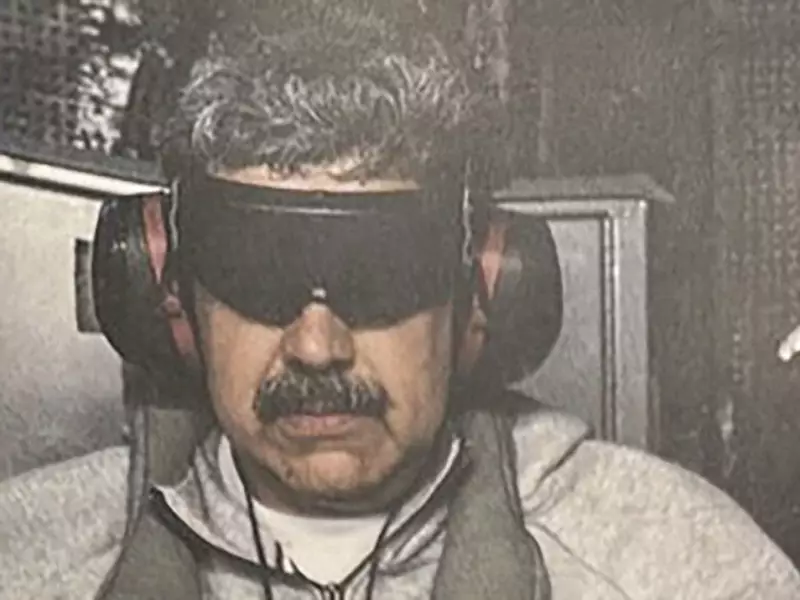
The dramatic capture of Venezuelan President Nicolás Maduro by U.S. forces marks a stunning military victory, but history suggests the real challenge is only beginning. The United States, despite its overwhelming power, has a notoriously poor record when it comes to managing the complex aftermath of overthrowing a foreign government.
A History of Messy Aftermaths
From Vietnam and Iraq to Afghanistan and Libya, American interventions have repeatedly demonstrated that winning the battle is far simpler than winning the peace. The initial toppling of a regime often captures Washington's focus, while the long-term plan for rebuilding a nation frequently falls by the wayside. This pattern has led to a string of disappointments, debacles, and devastating costs in human life.
The most recent cautionary tale unfolded just four years ago with the Biden administration's chaotic withdrawal from Afghanistan. The political damage from that retreat was so severe that it continues to haunt American politics, with Trump officials recently ordering a review to "regain faith and trust." Yet, the potent allure of military power continues to tempt presidents, as seen in the seizure of Maduro and his wife on January 3, 2026, aboard the USS Iwo Jima.

The Maduro Problem and an Uncertain Future
There is little dispute about the nature of the regime that has been removed. Nicolás Maduro, in power since 2013, presided over an economic collapse, widespread poverty, and a massive exodus of Venezuelans fleeing his rule. He maintained control through corruption, violence, and rigged elections, drawing support primarily from adversaries of the U.S. like Russia, China, and Iran.
While few will mourn his departure, the question now is what replaces him. President Trump's assertion that "we're going to run the country" is not a detailed blueprint for governance. Early signs point to potential instability. While Trump suggested Vice-President Delcy Rodríguez was cooperative, she soon after denounced the U.S. action as "a barbarity" and declared continued support for Maduro.
Furthermore, the U.S. has appeared to dismiss opposition figure María Corina Machado, a banned presidential candidate and free-market advocate. This leaves a significant vacuum. Machado, though a skilled activist, is untested as a ruler, highlighting the precarious gamble of regime change: removing a known dictator does not guarantee a stable or friendly successor.
The Inevitable Challenge of What Comes Next
The capture of Maduro may be portrayed as a clean victory, but the reality on the ground in Venezuela is anything but. The country is shattered economically and socially. The U.S. has a proven ability to defeat opponents but a consistently poor record in constructing viable, peaceful democracies in their place. The enthusiasm for the toppling often overshadows the arduous, decades-long commitment required for genuine nation-building.
As the dust settles from the January 3rd operation, the Trump administration faces the same thorny problem that has confounded its predecessors. Without a coherent, long-term strategy for supporting Venezuela's recovery and political transition, this military success risks becoming another chapter in America's troubled history of regime change, where the easy part ends with the fall of a leader, and the hard part—creating a lasting peace—remains elusive.