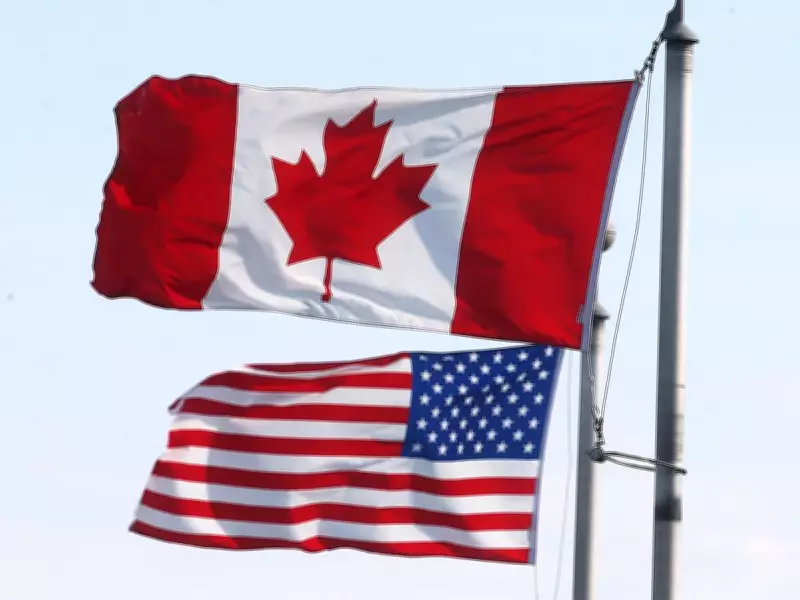
Donald Trump has broken the world, which means that U.S. elections in November matter globally — and not least to Canada, which has found itself in Trump's crosshairs several times in his second presidency.
The congressional elections will be held against a backdrop of economic, domestic and military turmoil.
Trump's impact on trade and alliances
Trump has upended free trade, which, while it has hurt traditional manufacturing, has spread unparalleled prosperity broadly around the globe. His on-again, off-again tariff threats have harmed alliances and created economic chaos for everyone from the auto industry — particularly Canada's — to small U.S. businesses that rely on imports.

With rhetoric ranging from outrageous (suggesting military force to take Greenland and threatening to withdraw from NATO) to absurd (making Canada a U.S. state), he has eroded alliances that have maintained a semblance of order since World War II.
He has leaned toward the aggressor, Russia, and left Ukraine more vulnerable. And his war of choice with Iran has destabilized the world economy in ways still playing out.
Watching from outside the U.S.
So, watching from outside the United States, it might be easy to believe, based on early polling and results from a smattering of special elections around the country, that Democrats in November will win control of our House of Representatives and perhaps even the Senate. I'd advise Trump critics to keep their hopes in check.
We are certain to see billions and billions spent on races around the country, with Trump-supporting oligarchs leading the way. These donations will pay for ceaseless negative advertising, most of which will be aimed at Democrats.
The United States, unlike Canada, has no limit on who may donate to candidates or how much they can spend, thanks to 2010's Citizens United ruling by our Supreme Court. The ruling allowed unlimited spending on campaigns, with the fig leaf being that donations cannot go directly to candidates or political parties. They will go to political action committees and interest groups, both of which are almost wholly unaccountable.
So, for example, in 2024's presidential campaign “100 billionaire families poured a record-breaking $2.6 billion into federal elections … one of every six dollars spent altogether by all candidates, parties and committees,” according to Americans for Tax Fairness. More than 70 per cent of that money supported conservative candidates and causes.
The fusillade of advertising, which will ramp up over the summer, will pair with what I expect to be increasingly vicious efforts by Trump to weaponize the Justice Department in investigating Democrats, along with his various efforts to restrict voting.
With Republican sycophants providing no check on Trump's brazen and ill-conceived impulses, November's elections hold the best hope of constraining him at least a little.
But, unlike Canada, our elections are poisoned by money and disinformation. This exploits the fact that Americans have incredibly short attention spans. The ICE excesses of winter and self-imposed oil price hike of spring may well be overshadowed by manufactured outrage over some aspect of our culture war or a classic Trump falsehood about transgender immigrants secretly serving dog tacos in school cafeterias, the more outlandish the better.