Venezuela's Interim Leader Takes Firm Stance Against U.S. Commands
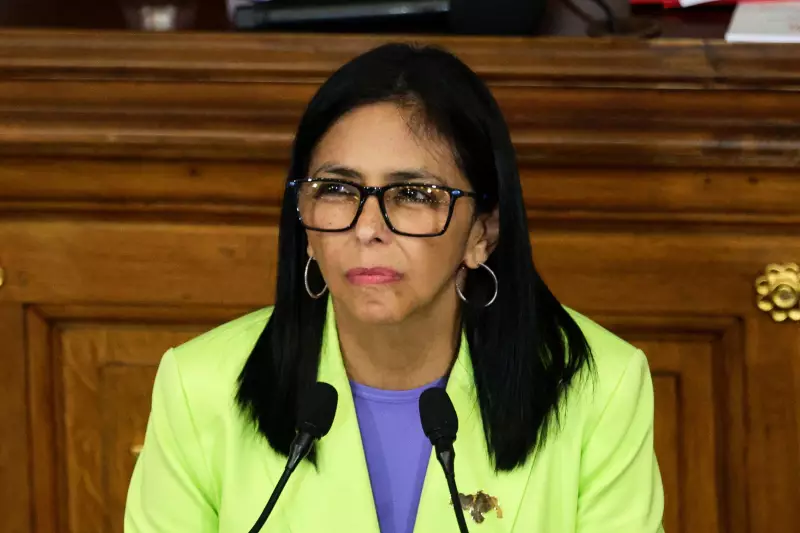
In a bold declaration of national sovereignty, Venezuela's acting president Delcy Rodríguez has publicly stated that she has had 'enough' of receiving orders from the United States. This statement, made in late January 2026, marks a significant moment in the ongoing political tensions between the two nations.
A Defiant Message from Caracas
Rodríguez, who serves as Venezuela's interim president, delivered this firm message during a period of heightened diplomatic strain. Her comments reflect a growing sentiment within the Venezuelan government to resist external pressures and assert its independence on the international stage.
The declaration comes at a time when Venezuela continues to navigate complex geopolitical challenges, including economic sanctions and political isolation from Western nations. Rodríguez's statement emphasizes her administration's determination to pursue policies aligned with Venezuelan interests rather than bowing to foreign directives.

Context of Ongoing Tensions
Relations between Venezuela and the United States have been strained for years, characterized by:
- Economic sanctions imposed by the U.S. on Venezuela's oil industry and government officials
- Political disagreements over Venezuela's leadership and democratic processes
- Competing regional influences in Latin America
- Human rights concerns raised by international organizations
Rodríguez's remarks signal a potential hardening of Venezuela's position in these ongoing disputes. By publicly rejecting U.S. orders, she is positioning her government as defiantly independent, potentially rallying domestic support while challenging international critics.
Implications for Bilateral Relations
This development could have several important consequences:
- Diplomatic friction may increase between Caracas and Washington
- The statement could influence Venezuela's approach to future negotiations with the U.S.
- Regional allies of both nations may reassess their positions in the conflict
- Venezuela's economic challenges might be further complicated by strained international relations
As Venezuela's interim leader, Rodríguez's declaration represents more than just rhetorical posturing. It reflects the complex reality of a nation seeking to maintain its sovereignty while facing significant external pressures. The international community will be watching closely to see how this stance affects the already delicate relationship between Venezuela and the United States in the coming months.