Vice President JD Vance, long known for his skepticism of foreign military engagements, has become the primary spokesperson for President Donald Trump's tentative agreement to end the war with Iran. The deal, which aims to bring a halt to hostilities that have escalated in recent months, marks a significant shift in U.S. foreign policy under the Trump administration.
Vance's Role in the Iran Deal
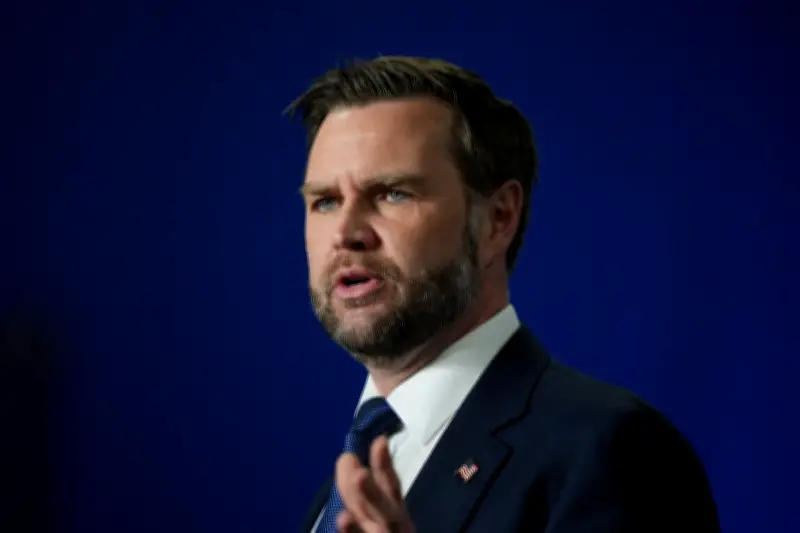
Speaking at a press conference in Bethpage, New York, on Wednesday, Vance outlined the key components of the agreement, emphasizing a focus on diplomatic resolution rather than prolonged military involvement. "This is a step toward peace, not a surrender," Vance stated, addressing concerns from both hawks and doves within the political spectrum.
The vice president's involvement comes as no surprise to political analysts, who note his consistent criticism of foreign interventions during his time in the Senate. Vance has often argued that the United States should prioritize domestic issues over overseas conflicts, a stance that aligns with the Trump administration's "America First" agenda.

Details of the Tentative Deal
While full details of the agreement remain under wraps, sources close to the negotiations indicate that it includes a ceasefire, the withdrawal of U.S. forces from certain strategic positions, and commitments from Iran to curb its nuclear activities. The deal has drawn mixed reactions, with some praising it as a long-overdue move toward peace, while others warn of potential concessions to Tehran.
Pentagon officials have expressed cautious optimism, but Defense Secretary Pete Hegseth has also announced a review of U.S. forces in Europe, signaling a broader reassessment of American military commitments worldwide.
Reactions from Allies and Critics
International reactions have been varied. European allies have welcomed the diplomatic push but remain wary of Iran's compliance. Meanwhile, critics in the U.S. Congress, particularly from the Republican wing, have accused the administration of appeasement. Senator Tom Cotton called the deal "a dangerous gamble," while Democratic leaders urged transparency in the negotiation process.
Vance, however, remains undeterred. "We are not naive about Iran's intentions," he said. "But endless war is not the answer. This deal gives diplomacy a chance."
Impact on Domestic Politics
The Iran deal is expected to play a central role in the upcoming midterm elections, with Vance emerging as a key figure in the administration's messaging. His transformation from a skeptical senator to a deal-making vice president has intrigued political observers, who see it as a potential blueprint for future foreign policy under Trump.
As the negotiations continue, all eyes remain on Vance, whose role in shaping the final agreement could define his legacy and influence the trajectory of U.S. involvement in the Middle East for years to come.