A group of U.S. federal employees has initiated a formal complaint against a ban on gender-affirming healthcare coverage implemented by the administration of former President Donald Trump. The complaint, filed on January 1, 2026, marks a significant legal and political challenge to policies affecting transgender individuals working for the federal government.
The Core of the Complaint
The complaint targets a directive that prohibits federal health insurance plans from covering critical medical treatments for gender transition. These treatments, often described as gender-affirming care, can include hormone therapy, puberty blockers, and surgical procedures deemed medically necessary by leading health associations. The employees argue that the ban constitutes discrimination and violates protections for federal workers.
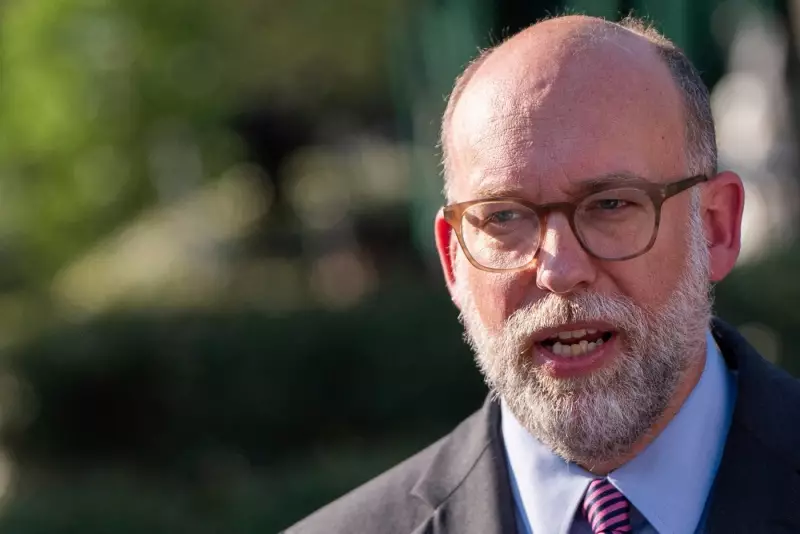
The policy was advanced under the leadership of Russell Vought, the Director of the Office of Management and Budget. Vought, a prominent figure in the previous administration, has been a vocal supporter of the ban, framing it as a cost-saving and ideological measure. The complaint contends that the policy directly harms the health, well-being, and equal employment opportunities of transgender civil servants.

Wider Implications and Legal Context
This complaint is not an isolated incident but part of a broader national debate over transgender rights in the United States. Several states have enacted similar or even more restrictive laws, while others have moved to protect access to gender-affirming care. The federal employees' action places the issue squarely within the realm of employment law and federal benefits administration.
Legal experts anticipate that the complaint could trigger a protracted review process, potentially involving the Equal Employment Opportunity Commission (EEOC) and federal courts. The outcome may set a precedent for how gender identity discrimination is interpreted within the framework of federal employment protections.
Looking Ahead: A Contentious Path
The filing on New Year's Day 2026 ensures that the issue will remain a flashpoint in the ongoing cultural and political discussions surrounding healthcare and civil rights. For the complainants, the goal is to overturn the ban and secure equal access to healthcare coverage. For the policy's supporters, it represents a stand on a deeply held belief.
As the complaint moves through official channels, it underscores the tangible human impact of high-level policy decisions. The well-being of federal employees and their families is now intertwined with a complex legal battle over identity, medicine, and the role of government in personal healthcare decisions.