U.S. tribes in Washington State and Alaska are planning to cite British Columbia's Declaration on the Rights of Indigenous Peoples Act (DRIPA) in challenging provincial approval of resource projects. The Sinixt Confederacy and the Southeast Alaska Indigenous Transboundary Commission argue they have historic rights to parts of B.C. and that lack of consultation and expedited environmental assessments contravene their rights under the Canadian Constitution and the United Nations Declaration on the Rights of Indigenous Peoples (UNDRIP).
Background on DRIPA and the Gitxaała Decision
DRIPA, passed in 2019, aimed to align B.C. laws with UNDRIP. Some experts argue that the Gitxaała decision by the B.C. Court of Appeal in December effectively made UNDRIP law in B.C. The court struck down the Mineral Tenure Act, ruling it did not allow for free, prior, and informed consent for First Nations.
Political Reactions
Conservative Indigenous Relations critic Scott McInnis said U.S. tribes using DRIPA to block or delay resource projects amounts to a 'sovereignty crisis.' He urged Premier David Eby and Attorney General Niki Sharma to find a solution quickly instead of waiting for court cases to pile up. 'The premier has a lot of explaining to do as to why court cases are piling up,' McInnis said.

Specific Challenges
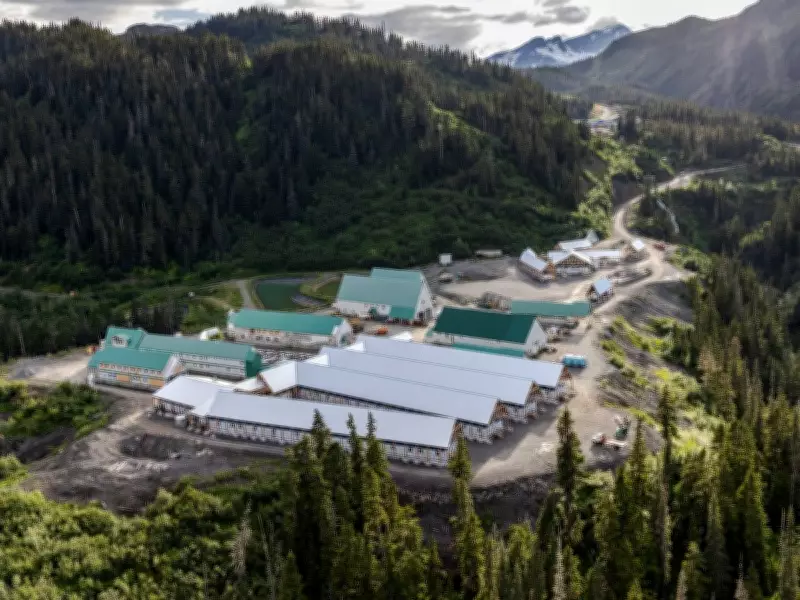
In northwestern B.C., the Southeast Alaska commission is challenging the approval of the Eskay Creek Mine revitalization project. They have also voiced concerns about the Red Chris Mine expansion and the Seabridge Gold Mine. The commission represents 14 tribes, including American members of the Tlingit, Haida, and Tsimshian peoples, arguing that their traditional territory extends on both sides of the Canada-U.S. border and includes the Unuk Watershed.
Guy Archibald, executive director of the commission, said the lawsuit was filed in November and the province has not responded. Instead, the province changed the Environmental Assessment Act to limit 'participating Indigenous nation status' to Canadian First Nations. Archibald said the commission hopes to file an amended claim by the end of this week, including the Gitxaała DRIPA decision in its argument. 'The Gitxaała decision showed that the Declaration on the Rights of Indigenous Peoples Act is law. It's not aspirational. It is the law of the land,' Archibald said.
Premier David Eby argued the case has little to do with DRIPA and more to do with Section 35 of the Canadian Constitution and the 2021 Desautel decision by the Supreme Court of Canada, which ruled that U.S. tribes with traditional territory in Canada are 'Aboriginal Peoples of Canada' and have traditional rights such as hunting.