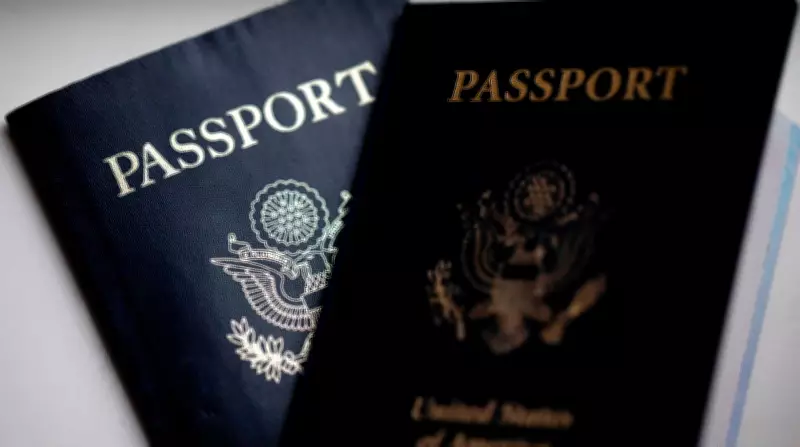
The U.S. State Department announced Thursday that it will begin revoking the passports of thousands of parents who owe significant unpaid child support, starting with those who owe $100,000 or more. This initial phase will affect approximately 2,700 American passport holders, according to data provided to the State Department by the Department of Health and Human Services (HHS).
Expansion of the Program
The revocation program, first reported by the Associated Press in February, will soon be expanded to cover parents who owe more than $2,500 in unpaid child support, the threshold set by a 1996 law that has been little enforced. Officials noted that the total number of passport holders owing over $2,500 is not yet clear, as HHS is still collecting data from state agencies, but it could encompass many thousands more individuals.
Previously, only those applying to renew their passports were subject to the penalty. Under the new policy, HHS will inform the State Department of all past-due payments exceeding $2,500, and parents in that group with passports will have their documents revoked.

Official Statements
Assistant Secretary of State for Consular Affairs Mora Namdar stated, "We are expanding a commonsense practice that has been proven effective at getting those who owe child support to pay their debt. Once these parents resolve their debts, they can once again enjoy the privilege of a U.S. passport."
The department reported that since the AP's coverage on February 10, data indicates that hundreds of parents have taken action and resolved their arrears with state authorities. "While we can't confirm the causation in all of those cases, we are taking this action precisely to impel these parents to do the right thing by their children and by U.S. law," the department added.
Effectiveness of the Program
Even before the expansion, the department described the program as a "powerful tool" to encourage payment. Since it began in earnest in 1998, states have collected approximately $657 million in arrears, including more than $156 million from over 24,000 individual lump-sum payments over the past five years.
Those whose passports are revoked will be notified that their documents are no longer valid for travel. To obtain a new passport, they must first confirm that their arrears have been paid. For passport holders abroad at the time of revocation, they must visit a U.S. embassy or consulate to obtain an emergency travel document to return to the United States.