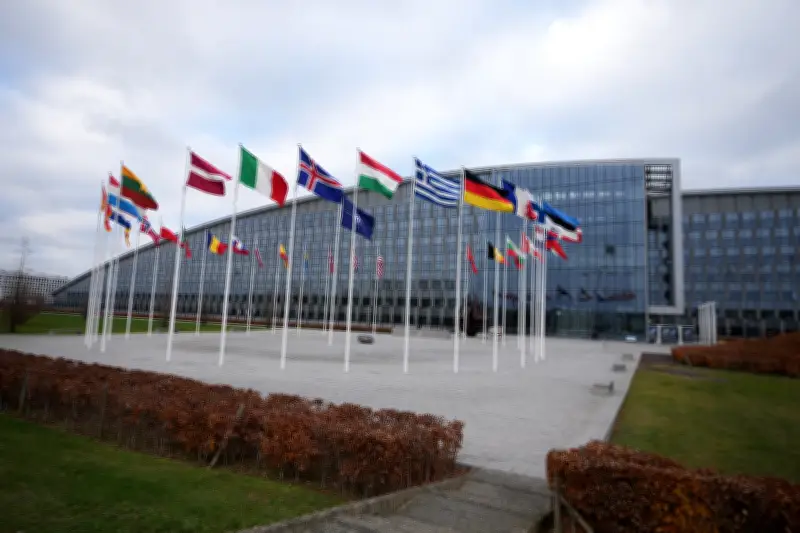
The United States has urged Canada and European allies to bolster NATO's air and naval forces, signaling a strategic shift as Washington begins to step back from its traditional leadership role in the alliance. The request, reported by Reuters on June 3, 2026, underscores growing pressure on member nations to assume greater responsibility for collective defense.
Background of the U.S. Request
According to sources familiar with the discussions, the U.S. administration has communicated to NATO partners that it expects them to enhance their military capabilities, particularly in air and naval domains. This move aligns with broader U.S. policy adjustments aimed at rebalancing global commitments and prioritizing domestic needs. The request comes amid ongoing debates within NATO about burden-sharing and the future of transatlantic security.
Implications for Canada and Europe
Canada, which has faced criticism for not meeting NATO's defense spending target of 2% of GDP, is now under renewed pressure to increase its military investments. European nations, including Germany and France, are also being called upon to expand their naval and air forces to fill potential gaps left by a reduced U.S. presence. Analysts suggest this could lead to accelerated procurement of fighter jets, warships, and advanced surveillance systems.

Reactions from Allies
NATO officials have acknowledged the U.S. request but emphasize that any changes will be made collaboratively. A spokesperson for NATO stated, "Allies are committed to ensuring the alliance remains strong and capable. Discussions on capability enhancements are ongoing." Meanwhile, Canadian defense sources indicated that Ottawa is reviewing its defense strategy but did not provide specific commitments.
Strategic Context
The U.S. step-back is part of a broader reassessment of its global military posture, with a focus on countering China in the Indo-Pacific region. This has led to concerns among European allies about potential security vacuums, particularly in the Baltic and Black Sea regions. The request for increased NATO air and naval forces is seen as a way to mitigate these risks while maintaining alliance cohesion.
Future Outlook
As NATO prepares for its next summit, the issue of defense spending and capability sharing will be high on the agenda. The U.S. call for enhanced contributions from Canada and Europe is likely to intensify discussions on burden-sharing and the long-term sustainability of the alliance. Observers note that while the request presents challenges, it also offers an opportunity for allies to modernize their forces and deepen defense cooperation.