The United States has imposed new sanctions on Cuban companies that are critical to the island's struggling economy, according to an announcement by the U.S. Treasury Department on June 23, 2026. The sanctions target firms in the tourism, mining, and energy sectors, which are vital for generating hard currency amid a severe economic crisis.
Details of the sanctions
The Treasury Department's Office of Foreign Assets Control (OFAC) added 10 Cuban entities to its list of sanctioned organizations. These include the state-run tourism company Gaviota, the mining corporation Cubaniquel, and several energy firms involved in oil imports and refining. The sanctions freeze any assets these companies hold in the U.S. and prohibit American citizens and businesses from engaging in transactions with them.
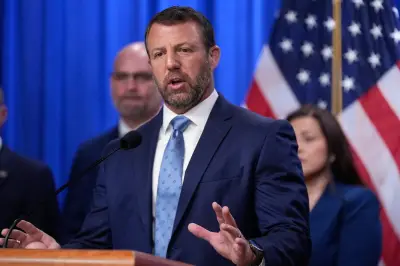
According to a senior administration official, the sanctions aim to further restrict the Cuban government's access to revenue streams that support its military and security apparatus. The official stated, "These measures are designed to cut off resources that prop up the regime while the Cuban people suffer under economic mismanagement."

Impact on Cuba's economy
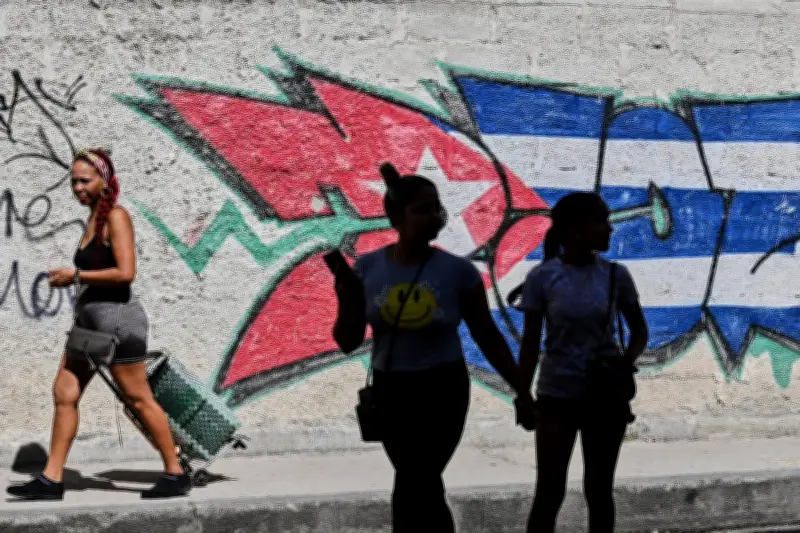
Cuba's economy has been in a downward spiral since the COVID-19 pandemic, exacerbated by existing U.S. sanctions and structural inefficiencies. The island faces chronic shortages of food, medicine, and fuel, with inflation estimated at over 700% in 2025. The newly sanctioned companies are key earners of foreign currency, which is essential for importing basic goods.
Tourism, once a major source of revenue, has collapsed due to the pandemic and subsequent travel restrictions. Gaviota, which operates hotels and resorts, has seen occupancy rates drop below 20%. Mining exports, particularly nickel, have also declined due to aging infrastructure and lack of investment. Energy shortages have led to daily blackouts across the island.
Reactions from Cuba and international community
Cuban Foreign Minister Bruno Rodríguez condemned the sanctions, calling them a violation of international law and an act of economic warfare. He stated, "These new measures are cruel and unjust, aimed at suffocating our people and overthrowing our government." The Cuban government has vowed to continue seeking alternative trading partners, including China and Russia.
International reactions have been mixed. The European Union expressed regret over the sanctions, urging dialogue instead of escalation. Meanwhile, the United Nations General Assembly has repeatedly voted to condemn the U.S. embargo on Cuba, with 185 countries in favor in 2025.
Broader context of U.S.-Cuba relations
The sanctions are part of a broader U.S. policy to maintain pressure on the Cuban government. The Trump administration had tightened sanctions, and the Biden administration has largely continued this approach despite campaign promises to ease restrictions. The U.S. government maintains that sanctions will only be lifted when Cuba makes democratic reforms and improves human rights.