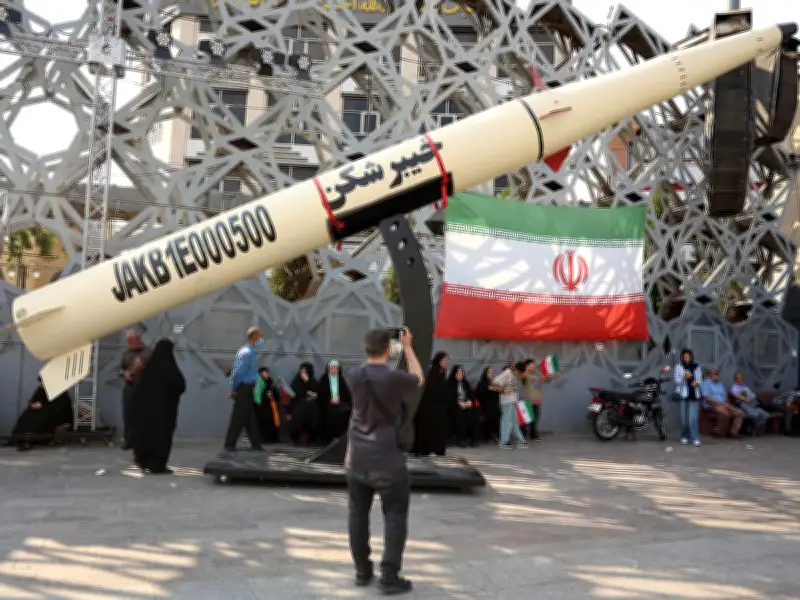
The United States and Iran remain locked in a stalemate over any potential ceasefire as the conflict approaches the 100-day mark, with Tehran asserting sovereignty over the Strait of Hormuz alongside Oman. The standoff suggests that Iran believes it can withstand current pressures longer, betting that political costs in the U.S. may compel President Donald Trump to concede on key objectives.
Iran's Conditions for Negotiations
Following overnight skirmishes between Hezbollah and Israel in southern Lebanon, Iran continues to insist on a ceasefire there before reaching any deal with the U.S. A military adviser to Iran's Supreme Leader, Ayatollah Mojtaba Khamenei, told CNN that “the ball is in Trump’s court” regarding a potential agreement, demanding the unfreezing of $24 billion in Iranian assets.
U.S. Position and Domestic Pressures
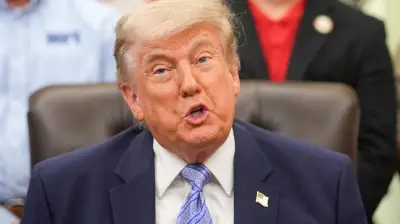
President Trump has repeatedly claimed that Iran is nearing its breaking point. On Friday, he told reporters, “We’re having great success with Iran,” adding that “they’re in no position to have a nuclear weapon.” He downplayed rising oil prices, which have pushed gasoline costs higher, stating, “People thought it was going to be a lot worse. Today I looked at $96 a barrel, people thought that was going to be $300 a barrel.”

Oil prices fell more than 2% on Friday, with U.S. crude trading near $90 a barrel, amid signs of reduced Chinese consumption and increased American crude exports helping to offset supply losses.
Strait of Hormuz Transits Plummet
No commercial transits through the Strait of Hormuz were observed on Friday morning, though three passages in each direction were recorded Thursday, according to ship-tracking data compiled by Bloomberg. U.S. forces have counted nearly 1,000 commercial vessel transits in and out of the strait over the past two months, a sharp drop from the more than 100 ships that passed daily through the vital waterway before the conflict began.
Political Fallout in Washington
As the conflict, which started on February 28, nears the 100-day mark, Trump traveled to Wisconsin for a domestic political event after two rebukes from the Republican-led Congress. The House voted to halt the war with Iran in a largely symbolic move, with four GOP members joining Democrats. Congress also passed legislation providing additional aid to Ukraine and imposing more sanctions on Russia.
Inflation has surged since the war began, straining American consumers. A New York Times/Siena poll in May found that 64% of Americans believe going to war with Iran was the wrong decision. Despite this, Trump stated on Thursday that negotiations are in the “final” stages, without providing details.
Recent Flare-ups
Earlier this week, Iran fired missiles and drones at Kuwait and Bahrain, killing one person and injuring dozens at Kuwait’s main airport. This was the most severe incident since a fragile ceasefire between the U.S. and Iran took effect on April 8.