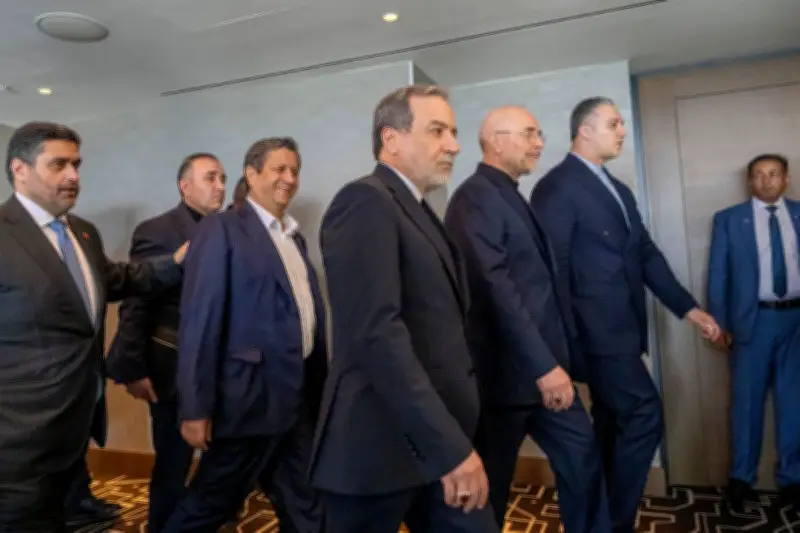
U.S. and Iranian negotiators wrapped up high-level talks in Switzerland on Saturday, with mediators describing the discussions as making 'encouraging progress' toward a potential agreement on Iran's nuclear program and other bilateral issues. The talks, held in Geneva, marked the first direct face-to-face meeting between senior U.S. and Iranian officials in over a year.
Mediators Report Positive Signs
Swiss and European Union mediators, who facilitated the talks, said both sides expressed willingness to continue dialogue. 'We have seen a constructive atmosphere and a mutual interest in finding common ground,' a Swiss mediator said in a statement. The meetings focused on Iran's uranium enrichment activities, sanctions relief, and regional security concerns.
According to a senior U.S. State Department official, the American delegation led by Special Envoy for Iran Robert Malley discussed 'concrete steps' to de-escalate tensions. 'We made progress on several technical issues, but significant gaps remain,' the official said, speaking on condition of anonymity.

Key Issues on the Table
Iran's parliamentary speaker, Mohammad Bagher Ghalibaf, who heads the Iranian delegation, emphasized Iran's right to peaceful nuclear energy. 'Our position is clear: we will not accept any limitations beyond the JCPOA framework,' Ghalibaf told Iranian state media. The 2015 Joint Comprehensive Plan of Action (JCPOA) has been in limbo since the U.S. withdrew in 2018.
The talks also touched on Iran's ballistic missile program and its support for proxies in the Middle East, though no breakthroughs were reported on these contentious matters. U.S. officials have insisted that any new agreement must address these issues comprehensively.
Next Steps Uncertain
Both sides agreed to continue technical-level discussions in the coming weeks, but no date has been set for the next high-level meeting. The European Union's foreign policy chief, Josep Borrell, welcomed the 'positive tone' of the talks and urged both parties to maintain momentum.
'We are at a critical juncture,' Borrell said in a statement. 'The window for diplomacy is open, but it will not remain open indefinitely.'
Analysts caution that while the progress is encouraging, major obstacles remain. 'This is a positive step, but we've seen similar optimism before that didn't lead to a deal,' said Joe Varner, a senior fellow at the Macdonald-Laurier Institute. 'The real test will be whether both sides can translate this goodwill into concrete commitments.'