TSA Enforces Doctor's Note Mandate for Single-Day Sick Leave Amid Shutdown
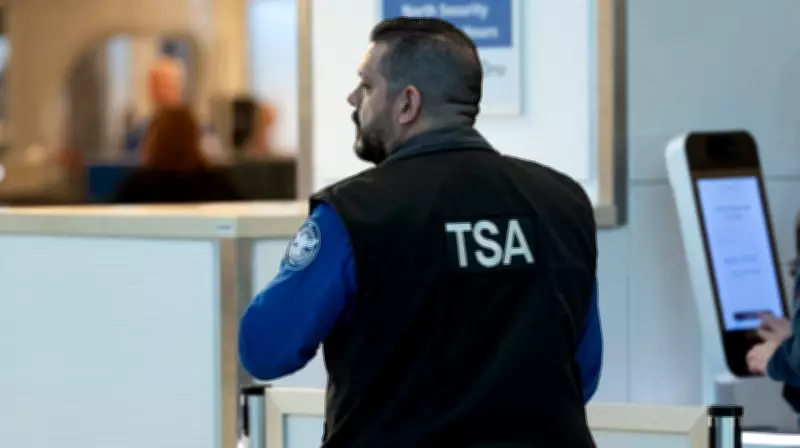
The Transportation Security Administration has instituted a stringent new policy requiring officers who call out sick for even a single day during the ongoing partial government shutdown to provide a doctor's note documenting their illness. Failure to comply could result in disciplinary action. Union representatives argue this measure appears designed to pressure workers not to take absences while they continue to work without pay.
Union Leaders Decry Policy as Unprecedented and Punitive
Joe Shuker, regional vice president at the American Federation of Government Employees and a recently retired TSA agent from Philadelphia International Airport, expressed disbelief at the requirement. "I don't know of any workplace that has you bringing a note after one callout," Shuker stated. "They're forcing these people to go to the doctor and pay $40 for a copay. They're creating bigger problems for us."
The Department of Homeland Security, which oversees TSA, has not been funded for 25 days due to a legislative stalemate on Capitol Hill. This has forced approximately 50,000 TSA security officers to work as "excepted personnel" without receiving their salaries. Absenteeism is a recurring issue during such funding lapses, and officials anticipate a further increase if the shutdown extends beyond Friday, when workers will miss their entire paychecks for the first time since the shutdown began on February 14.

Internal Guidance Details Strict Documentation Requirements
A TSA guidance memo dated March 5, reviewed by HuffPost, outlines the new protocol. It states that if an employee is sick for three days or less during the shutdown, management may require a signed and dated doctor's note confirming the worker was "incapacitated" during the absence. Illnesses lasting longer could necessitate additional documentation.
Under normal circumstances, the agency's collective-bargaining agreement permits workers to "self-certify" their illness for up to three days, unless they are on sick-leave restriction or suspected of abusing leave policies. The Trump administration has attempted to eliminate union rights at TSA and discard the agency's contract, but a court injunction has temporarily preserved these agreements.
Financial Strain and Operational Impacts Escalate
Cameron Cochems, a union representative and TSA agent in Boise, Idaho, noted that the sick-note policy is compelling employees to use their paid vacation days instead. "That's just another way the agency is, I would say, intimidating people to not call out," he remarked.
George Borek, an AFGE union steward and TSA officer at Atlanta's Hartsfield-Jackson International Airport, highlighted the severe financial pressures. TSA officers typically start with salaries around $40,000, and many live paycheck to paycheck. Borek reported that callout rates have surged as workers grapple with the shutdown's economic toll. "This is survival of the fittest right now. People are trying to not lose their apartments and cars, and to put food on the table. They don't have the money for child care. It's a vicious circle," he described, labeling the doctors' note policy as "arbitrary."
Borek also raised safety concerns, suggesting some workers might be seeking side jobs to make ends meet while awaiting backpay. "Operationally, we're nowhere near where we should be," he warned, indicating potential risks to air travel security.
Travel Disruptions and Political Deadlock
Travelers are already experiencing unusually long security lines at major airports like Atlanta and Houston as spring break travel increases. CBS News reported on Wednesday that unscheduled absences among TSA officers have more than doubled during the shutdown, with callout rates reaching double digits in some locations.
Unlike the record-setting government shutdown last fall, the current impasse specifically affects DHS. Democrats are withholding support for agency funding until Republicans agree to impose certain restrictions on President Donald Trump's immigration enforcement measures, including the removal of masks from agents' faces. Republicans and the White House have so far refused these demands.

Within DHS, treatment of workers varies. Immigration and Customs Enforcement officers and Border Patrol agents continue to receive pay under the One Big Beautiful Bill Act passed by Republicans last year. In contrast, TSA agents' work remains unfunded, meaning they will not receive wages or backpay until a legislative deal is finalized.
Joe Shuker summarized the growing frustration: "The fact that you're depending on officers to show up and not get paid, then treat them the way you do, it's unrealistic for them to keep coming to work. At some point there's a breaking point: I either feed my kids or put gas in the tank."