Trump Announces War on Fraud, Critics Cite His Own Legal Troubles
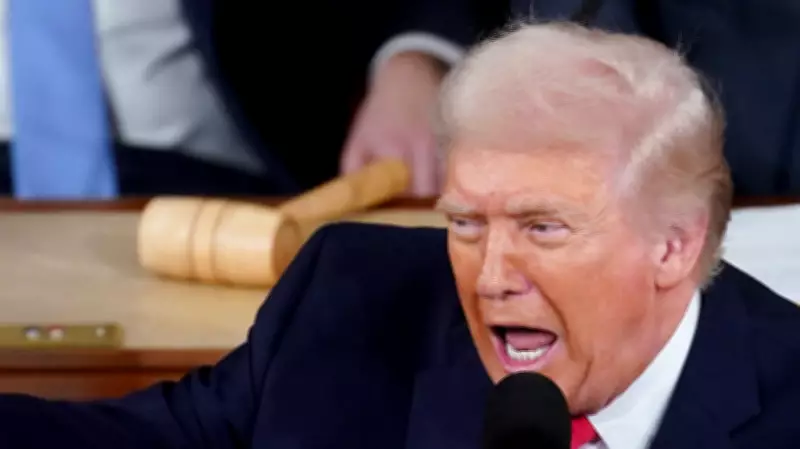
During his State of the Union address on Tuesday, President Donald Trump declared a new national initiative aimed at combating fraud, naming Vice President JD Vance as the leader of this effort. However, the announcement was met with immediate skepticism from many of Trump's critics, who argued that the real issue of fraud originates from within the White House itself.
A History of Fraud Allegations and Convictions
Trump has faced numerous allegations of fraud throughout his career. In 2024, he was convicted of falsifying business records in a criminal hush-money trial. That same year, he lost a civil case related to fraudulent business practices. Earlier, in 2022, a jury found the Trump Organization guilty of tax fraud and other crimes. In 2019, Trump paid $2 million to eight charities after admitting to misusing funds from his Donald J. Trump Foundation, which was dissolved as part of the settlement. In 2018, he agreed to pay $25 million to settle allegations of fraud by Trump University, though he did not admit wrongdoing. Since returning to the White House last year, Trump has also issued multiple pardons and commutations for fraud-related offenses.
Critics Respond with Sarcasm and Calls for Action
Given this background, critics offered pointed advice on where Vance should begin his work. Representative Nydia Velazquez suggested that Trump's family has profited from crypto schemes and foreign deals, implying hypocrisy. Others, like Diane N Sevenay and Garry Kasparov, called for Vance to arrest Trump immediately. Representative Richard Neal referenced last year's failed "war on fraud," while John Hickenlooper criticized taxpayer spending on Trump's jet amid rising healthcare costs. Many, including Ritchie Torres and Representative Jimmy Gomez, mocked the announcement, with some labeling Trump as the "king of fraud."

Additional comments highlighted the irony of the situation. Wajahat Ali described Trump as a "fraudster and convicted criminal," while Polly Sigh noted Vance's own aliases. Kylie Cheung joked about the "fake job" for Vance, and Congressman Herb Conaway quipped that it takes a fraud to know fraud. Social media users like Matt Burnell and David Leninhawk shared memes and sarcastic remarks, with Terry recalling past fraud initiatives led by figures like Elon Musk. Billy Howell humorously questioned if the fraud was "in the room," pointing directly at Trump.
The Broader Context of Fraud in Politics
This announcement comes amid ongoing debates about accountability and transparency in government. Critics argue that Trump's history undermines the credibility of his new initiative, raising questions about its effectiveness and intent. The response from lawmakers and the public reflects deep divisions and skepticism towards political promises, especially those involving fraud prevention.
As Vance takes on this role, the focus will likely remain on how the administration addresses its own past issues while tackling broader fraud concerns. The situation underscores the challenges of launching such initiatives in a politically charged environment, where past actions continue to shape public perception and trust.