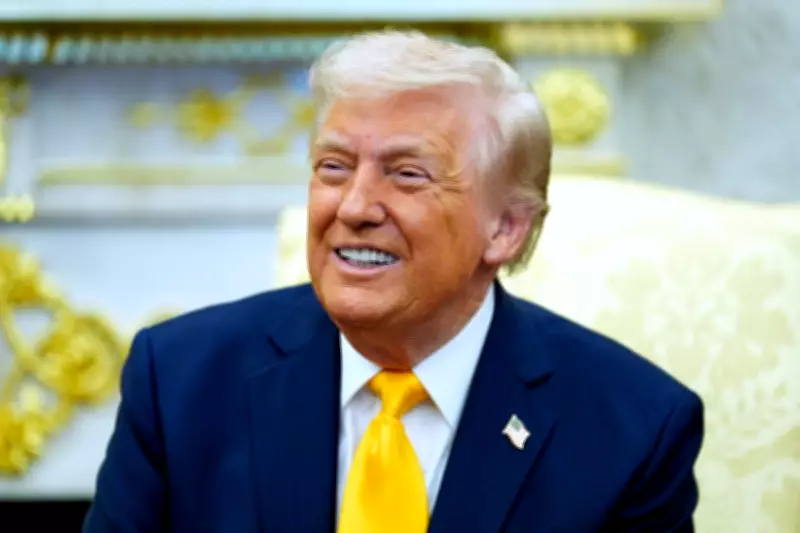
In a high-stakes diplomatic encounter that left attendees speechless, U.S. President Trump invoked the memory of Pearl Harbor while discussing recent American military actions against Iran. The incident occurred during a meeting with Japanese Prime Minister Sanae Takaichi, whose nation was profoundly affected by the 1941 attack.
A Tense Moment in International Relations
The room reportedly fell into a hushed silence following Trump's remarks, which drew a direct comparison between the historical event and contemporary U.S. strikes. This analogy has sparked immediate controversy, given the sensitive nature of Pearl Harbor in Japanese-American relations and its symbolic weight in global history.
Context and Implications
Trump's comments come amid escalating tensions in the Middle East, with the Pentagon seeking substantial additional funding for operations related to Iran. The parallel raises questions about diplomatic tact and the framing of military conflicts, potentially straining alliances. Observers note that such rhetoric could complicate ongoing efforts to maintain stability in regions affected by U.S. foreign policy.

Meanwhile, other global developments continue to unfold, from trade collapses with Cuba under increased U.S. pressure to domestic issues in Canada, such as Ontario's plan to overhaul electronic medical records. However, the focal point remains on this diplomatic faux pas and its repercussions for international discourse.