Trump's Minnesota Policy Reversal After Fatal Shooting Highlights Pattern of Sudden Shifts
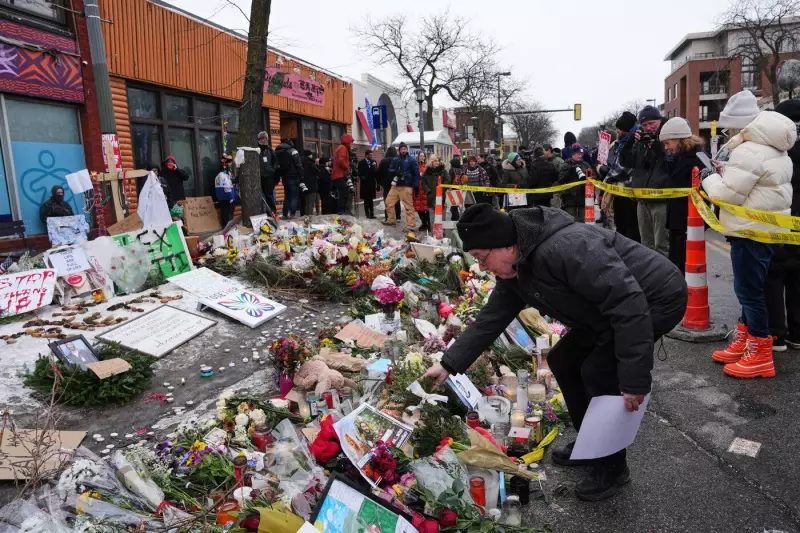
In a development that has captured national attention, former President Donald Trump has executed a significant about-face in his position concerning a recent fatal incident in Minnesota. This abrupt shift follows the death of 37-year-old Alex Pretti, who was fatally shot by a U.S. Border Patrol officer over the weekend in Minneapolis. The incident has sparked public outcry and led to the establishment of a makeshift memorial, drawing visitors to honor Pretti's memory.
A Pattern of Political Volatility
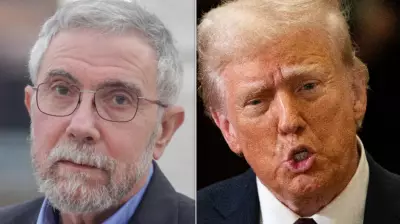
This latest reversal in Minnesota is not an isolated event but rather appears to be part of a broader, recurring pattern of sudden and unexpected policy shifts by the former president. Analysts and political observers note that Trump has demonstrated a tendency to alter his public stance on various issues rapidly, often in response to unfolding events or public pressure. The Minnesota case, involving a sensitive matter of law enforcement and civilian death, underscores the volatility that has come to characterize his political approach.
The shooting in Minneapolis has ignited debates over border security protocols, use of force by federal officers, and accountability within government agencies. Trump's initial comments on the matter, followed by his subsequent reversal, have added a layer of political complexity to an already tragic situation. This dynamic highlights the challenges in navigating such incidents within the current polarized political climate.

Context and Implications
While the specific details of Trump's changed position are central to this story, the broader implication lies in what this pattern signifies for political discourse and policy consistency. Sudden shifts can create uncertainty among supporters and critics alike, affecting public trust and the stability of political narratives. In the context of Minnesota, a state with its own unique political landscape and history of activism, this event resonates deeply with ongoing conversations about justice and governmental transparency.
Furthermore, this incident occurs against a backdrop of numerous other national and international stories, from economic developments and health reports to environmental concerns and entertainment news. However, the focus on Trump's reversal in Minnesota serves as a poignant reminder of how individual events can catalyze significant political reactions, reflecting larger trends in leadership behavior.
Observers continue to monitor the situation closely, as the aftermath of the shooting and the political responses to it may influence future policy discussions and electoral dynamics. The pattern of sudden shifts, as exemplified by this Minnesota case, remains a defining feature of contemporary political strategy, prompting both analysis and debate among citizens and experts across Canada and beyond.