Trump's Iran Military Action Unleashes Economic and Diplomatic Fallout
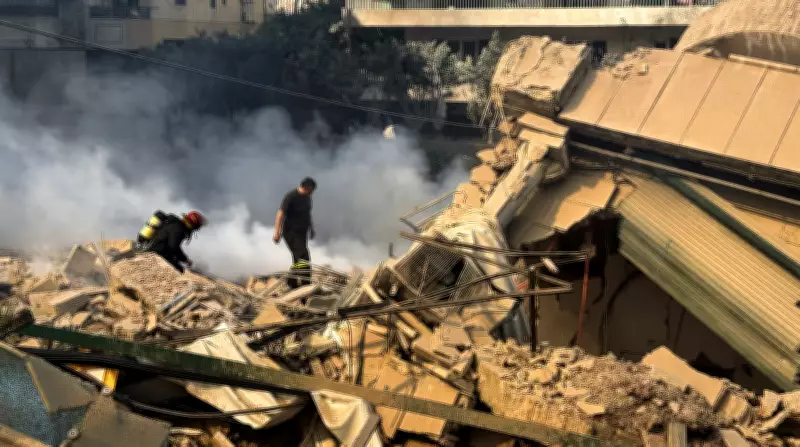
When President Donald Trump launched a military strike against Iran over the weekend, he failed to address the immediate and predictable repercussions. Within days, the consequences have materialized dramatically, including a sharp decline in stock markets, surging global oil and domestic gasoline prices, and tens of thousands of American citizens trapped in the Middle East. Iran's retaliatory strikes on neighboring countries have escalated into a widening regional conflict, further complicating the situation.
Economic Turmoil Follows Military Escalation
The Dow Jones Industrial Average plummeted by 1,000 points from Friday to Tuesday, reflecting investor anxiety over the conflict. Oil prices have surged 13% since the attack began, while gasoline prices in the United States jumped 11 cents overnight, now averaging $3.11 per gallon nationally. These economic shocks are likely to diminish public support for Trump's aggressive stance, which was reportedly influenced by Israeli leader Benjamin Netanyahu.
In his first press engagement since initiating the war, Trump defended his decision and downplayed the ensuing chaos. He contradicted his own secretary of state, Marco Rubio, who claimed the U.S. acted preemptively because Israel was poised to attack Iran independently. Trump asserted instead that Iran was preparing to strike first, a claim disputed by U.S. intelligence agencies.

Confusion Over Evacuation and Strategic Planning
Trump attributed the rapid onset of the attack to insufficient time for evacuating American citizens from the region, despite months of planning and the deployment of two carrier strike groups. The State Department has urgently advised U.S. citizens in 14 countries and the Palestinian territories to leave immediately. However, with Israel's main airport closed, Americans were directed to take buses to Egypt for flights out, accompanied by warnings that their safety could not be guaranteed.
To mitigate economic impacts, Trump announced via social media that the U.S. would provide political risk insurance for all maritime trade in the Persian Gulf, including the Strait of Hormuz, and potentially escort tankers with naval forces. He emphasized the U.S. commitment to ensuring global energy flow, leveraging economic and military power.
Uncertain Post-Conflict Strategy and Regional Dynamics
Trump acknowledged a lack of clear plans for Iran's post-conflict governance, comparing it to a previous operation in Venezuela where U.S. forces captured a dictator. However, he admitted this model is flawed for Iran, as bombing campaigns have killed potential replacement leaders. Trump has not ruled out deploying U.S. troops and is reportedly seeking support from Kurdish groups in Iraq to act as proxies, though White House statements have been vague on this front.
Former national security adviser John Bolton, a long-time advocate for a hard line against Iran, criticized Trump's unclear objectives and duration of the conflict. He noted that while regime change in Iran might be justified, Trump has yet to articulate a compelling case for it.
As the situation unfolds, the economic and humanitarian costs continue to mount, highlighting the complexities and risks of Trump's military intervention in Iran.