Trump Convenes Inaugural Board of Peace Meeting Amid Allied Skepticism
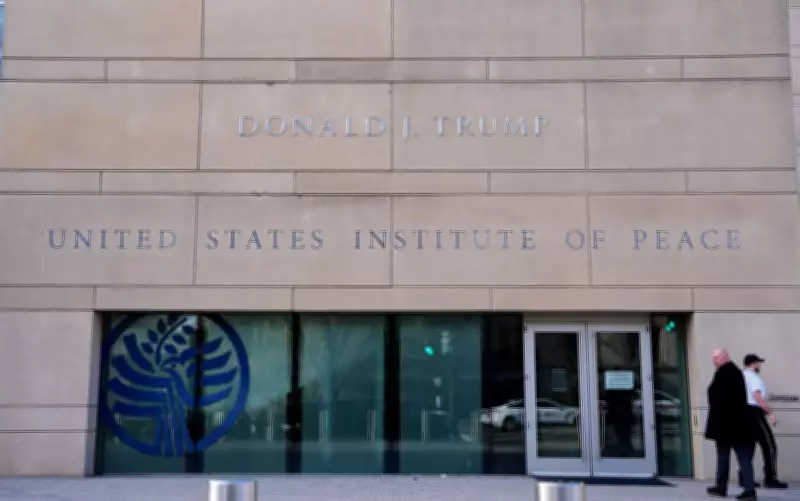
President Donald Trump has officially gathered members of the newly established Board of Peace for its first meeting, a move that has sparked wariness among some key U.S. allies. The session marks the initial operational step for this advisory body, which was created to address international conflicts, including the ongoing Israel-Hamas war.
The meeting, held in Washington, D.C., brings together a select group of individuals appointed by the Trump administration to provide counsel on peace-building initiatives. However, the formation of the board has not been universally welcomed, with several allied nations expressing reservations about its structure and potential influence on traditional diplomatic channels.
Allied Concerns Over New Advisory Body
According to sources familiar with the discussions, representatives from multiple allied countries have privately voiced skepticism regarding the Board of Peace. Their concerns primarily revolve around the board's mandate and how it might intersect with or bypass existing international frameworks and negotiations.

Some allies worry that this new entity could complicate already delicate diplomatic efforts, particularly in conflict zones like the Middle East. The apprehension stems from uncertainties about the board's long-term objectives and its alignment with established foreign policy strategies.
Context and Background
The Board of Peace was announced by the Trump administration as part of a broader initiative to foster dialogue and resolution in protracted global conflicts. Its creation comes at a time when the Israel-Hamas war continues to demand international attention and coordinated peace efforts.
The inaugural meeting is seen as a foundational step, intended to outline the board's operational procedures and initial focus areas. While the specific agenda items have not been publicly disclosed, insiders suggest that discussions will likely address mechanisms for conflict mediation and humanitarian assistance in war-torn regions.
Implications for U.S. Foreign Policy
This development underscores a potentially significant shift in how the United States approaches international peace processes. By establishing a dedicated board, the Trump administration signals a preference for a structured, internal advisory system on matters of war and peace.
However, the allied wariness highlights the challenges of introducing new institutions into the complex landscape of global diplomacy. The success of the Board of Peace may depend heavily on its ability to collaborate transparently with international partners and respect multilateral agreements.
As the board begins its work, observers will be closely monitoring its impact on U.S. foreign policy decisions and its effectiveness in contributing to tangible peace outcomes. The cautious stance of allies serves as a reminder that innovation in diplomatic approaches must be balanced with trust and coordination among longstanding partners.