Alberta's Fiscal Crisis: Citizens Demand Spending on Essentials Over Pet Projects
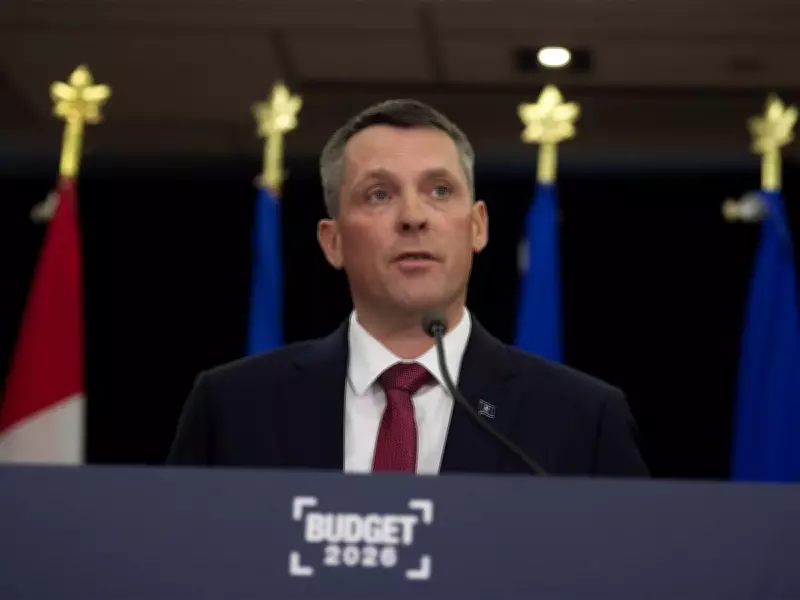
The projected $9.4-billion deficit in Alberta is not merely alarming—it represents an unsustainable financial trajectory that threatens the province's economic stability. This marks the third consecutive year of deficits, a pattern that directly contradicts existing fiscal legislation designed to protect taxpayers. When such laws are consistently ignored, they lose all meaning and effectiveness, eroding public trust in governance.
The Burden of Repeated Overspending
Albertans understand that government revenues naturally fluctuate with economic cycles, but repeated overspending shifts today's financial burdens onto tomorrow's families. This approach is not prudent governance—it is deferred responsibility that compromises future generations' prosperity. Citizens are increasingly vocal about the need for accountability in how public funds are allocated and managed.
If the government focused squarely on what citizens are actually asking for—strong healthcare systems, reliable education, and responsible infrastructure development—rather than pursuing costly pet projects, the entire province would benefit. The current deficit situation underscores the urgency of this shift in priorities.

Practical Solutions for Fiscal Responsibility
Several pragmatic steps could help Alberta regain fiscal stability:
- Restoring firm spending caps to prevent budget overruns
- Building realistic contingency reserves for economic uncertainties
- Diversifying revenue streams beyond volatile resource royalties
- Conducting independent value-for-money audits on major initiatives
Fiscal discipline should not be confused with austerity measures. Rather, it represents accountability to taxpayers who deserve transparent and responsible management of public resources. The current deficit situation demands immediate attention and corrective action.
Downtown Revitalization Concerns
In related civic matters, Edmonton's recent announcement of a $3-million extension for its Downtown revitalization fund has sparked debate. Some citizens question the necessity of additional taxpayer spending when simpler solutions exist. One letter writer suggests that bringing city employees back to office buildings would naturally increase downtown vibrancy and safety as workers spend money and frequent local businesses.
"Until that happens, I will continue to hang around St. Albert," writes Len Rhodes, highlighting how current remote work policies may be affecting urban centers.
Political Representation and Voter Priorities
The discussion extends to political representation, with citizens emphasizing the importance of voting for candidates rather than parties. Recent political defections have revealed that many voters actually support individuals rather than party platforms, suggesting a need for greater attention to candidate qualifications and trustworthiness during elections.
As Stephanie Shostak of Edmonton concludes, "Albertans deserve nothing less" than full accountability from their government. The combination of fiscal challenges and civic concerns creates a pressing need for reevaluation of spending priorities across multiple levels of government in Alberta.