

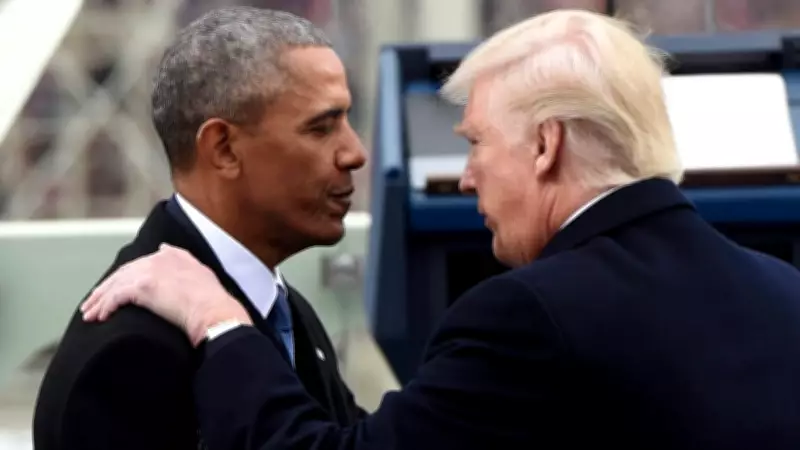
Trump Stands Firm on Controversial Social Media Post Targeting Obamas
Former U.S. President Donald Trump has publicly stated he will not issue an apology for a racist video he briefly shared on social media targeting former President Barack Obama and his family. The incident, which occurred during Black History Month, has ignited significant backlash, including criticism from members of his own Republican party. Trump's defiant stance, captured in his remark "I didn't make a mistake," underscores the ongoing political and social tensions surrounding his rhetoric.
Internal Party Criticism Grows During Black History Month
The timing of the post has amplified the controversy, as it coincided with Black History Month, a period dedicated to recognizing the contributions and history of African Americans. Several Republican figures have expressed disapproval, highlighting a growing rift within the party over issues of race and decorum. This internal dissent reflects broader debates about the party's direction and its engagement with minority communities.
Political analysts note that such incidents can influence voter perceptions and party unity, especially as the U.S. approaches future election cycles. The backlash from within Trump's own ranks suggests that even some allies are distancing themselves from racially charged content, potentially impacting his political influence.

Context of Racial Discourse in U.S. Politics
This event is not isolated but part of a longer history of contentious racial discourse involving Trump. Throughout his political career, he has faced accusations of racism and xenophobia, which have sparked widespread protests and legal challenges. The recent post about the Obamas adds to this narrative, drawing attention to how public figures handle issues of race in the digital age.
In response, civil rights groups and activists have condemned the video, calling for greater accountability from political leaders. They argue that such actions can perpetuate harmful stereotypes and undermine efforts toward racial equality. The discussion extends beyond politics into societal values, emphasizing the need for respectful dialogue and inclusive representation.
Implications for Future Political Engagement
As Trump remains a prominent figure in American politics, his refusal to apologize may shape his legacy and the Republican Party's platform. Observers suggest that this stance could energize his base while alienating moderate voters and minority groups. The incident also raises questions about the role of social media in politics, where posts can quickly escalate into national controversies.
Moving forward, the fallout from this racist post may influence campaign strategies and policy discussions, particularly around civil rights and social justice. It serves as a reminder of the ongoing challenges in addressing racism in public discourse and the importance of leadership in fostering unity.






