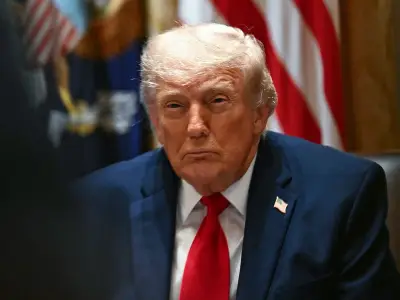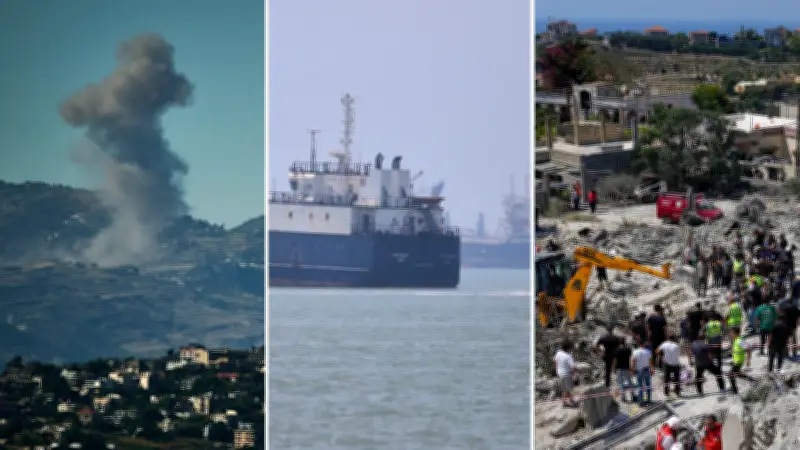
Former President Donald Trump has threatened to impose U.S. tolls on vessels passing through the Strait of Hormuz if a final nuclear deal with Iran is not reached within 60 days. The threat comes after Iran closed the strategic waterway following continued Israeli attacks in Lebanon, escalating tensions in the region.
Background of the Strait of Hormuz Closure
Iran shut down the Strait of Hormuz, a critical chokepoint for global oil shipments, in response to Israel's military operations in Lebanon. The closure has disrupted oil flows and raised concerns about energy security. The strait handles about 20% of the world's petroleum transit, according to the U.S. Energy Information Administration.
Trump's Ultimatum
Trump stated that if a final agreement with Iran is not finalized within two months, the United States would begin charging tolls for all vessels using the strait. "We will not allow Iran to hold the world hostage," Trump said in a statement. "If they want to close the strait, we will make them pay for it."

The toll proposal is unprecedented and would likely face legal and diplomatic challenges. International law generally guarantees freedom of navigation through international straits.
Impact on Global Oil Markets
The threat has already caused volatility in oil prices. Brent crude rose by 3% following the announcement, as traders factored in potential supply disruptions. Analysts warn that tolls could increase shipping costs and further strain global supply chains already affected by geopolitical tensions.
"Any toll on the Strait of Hormuz would be a violation of international maritime law and could trigger a broader conflict," said Dr. Sarah Jenkins, a Middle East security expert at the Center for Strategic Studies. "It's a dangerous escalation."
Reactions from Iran and International Community
Iran condemned Trump's threat, calling it "economic terrorism" and vowing to resist any attempt to impose tolls. The Iranian foreign ministry stated that the strait is an international waterway and that Iran has the right to regulate passage in its territorial waters.
The European Union urged restraint, calling for diplomatic solutions. The United Nations Security Council is expected to hold an emergency session to discuss the situation.
Negotiations on the Iran Nuclear Deal
The 60-day deadline adds urgency to ongoing negotiations aimed at reviving the 2015 nuclear deal, formally known as the Joint Comprehensive Plan of Action (JCPOA). Talks have been stalled over issues such as uranium enrichment levels and sanctions relief. The U.S. has demanded stricter terms, while Iran insists on full lifting of sanctions.
"This is a high-stakes gamble," said former diplomat Michael Oren. "Trump is betting that economic pressure will force Iran to concede, but it could backfire and push Tehran to accelerate its nuclear program."
Broader Regional Implications
The crisis is unfolding against a backdrop of escalating violence in Lebanon, where Israel has launched airstrikes targeting Hezbollah positions. Iran, a key supporter of Hezbollah, has threatened retaliation. The closure of the Strait of Hormuz is seen as part of Iran's strategy to exert leverage.
The U.S. Navy's Fifth Fleet, based in Bahrain, has increased patrols in the region. Pentagon officials say they are prepared to ensure freedom of navigation if necessary.
What's Next?
With the 60-day clock ticking, all eyes are on Vienna, where diplomats are expected to resume talks next week. The Trump administration has signaled willingness to offer limited sanctions relief in exchange for verifiable steps by Iran to curb its nuclear activities.
However, hardliners in both Washington and Tehran oppose compromise. The toll threat could either concentrate minds or derail negotiations entirely. As one European diplomat put it, "We are in uncharted waters."