Trump Warns Iran with Power Plant Strike Threat Over Strait of Hormuz
In a significant escalation of tensions, former U.S. President Donald Trump has publicly threatened to launch military attacks against Iranian power plants. This warning is directly tied to Iran's potential closure of the Strait of Hormuz, a critical global maritime chokepoint for oil shipments. The threat underscores the volatile state of Middle Eastern geopolitics and the ongoing strategic confrontations involving global energy security.
The Strategic Importance of the Strait
The Strait of Hormuz is arguably the world's most important oil transit corridor. Located between the Persian Gulf and the Gulf of Oman, it facilitates the passage of approximately one-fifth of the global oil supply and one-third of the world's liquefied natural gas. Any closure or significant disruption by Iran, which controls the northern side of the strait, would trigger immediate and severe shocks to international energy markets, leading to skyrocketing prices and potential economic instability worldwide.
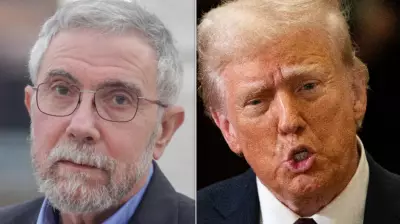
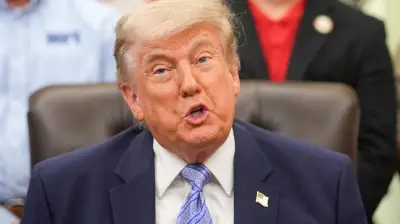
Trump's statement represents a clear attempt at coercive diplomacy, aiming to deter Iranian actions by promising disproportionate retaliation against civilian infrastructure. Targeting power generation facilities would cripple Iran's domestic electricity grid, causing widespread blackouts and severe humanitarian consequences for its population. This tactic, while militarily impactful, raises profound legal and ethical questions under international law regarding the protection of civilian infrastructure during conflicts.

Context of Regional Escalation
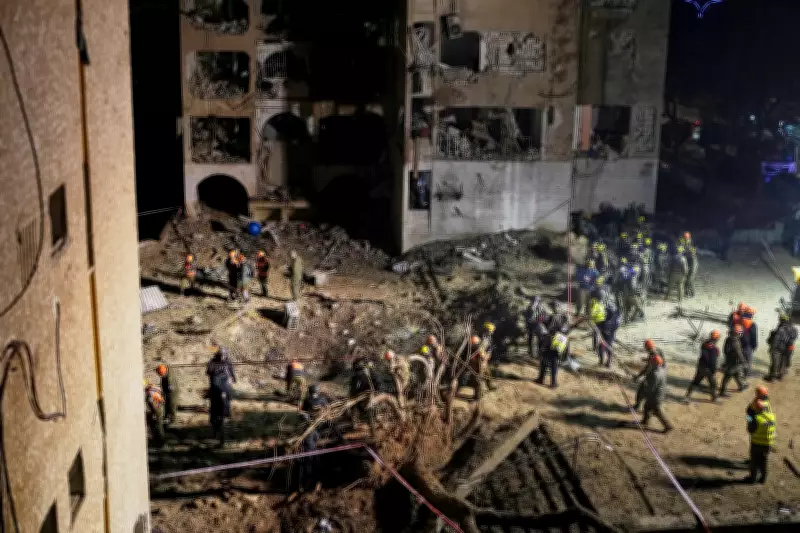
This threat does not exist in a vacuum. It follows a period of heightened hostilities, including a recent Iranian missile strike on southern Israel, as evidenced by Associated Press imagery from the town of Arad. The broader Middle East conflict continues to simmer, with various state and non-state actors engaged in a complex web of proxy wars and direct confrontations. Trump's re-emergence on this geopolitical stage signals a potential return to the "maximum pressure" strategies that characterized his previous administration's policy toward Tehran.
Analysts are closely monitoring the situation, noting that such public threats can alter risk calculations for all parties involved. The Iranian government now faces a critical decision: test the resolve behind the warning or seek de-escalation to avoid a direct military confrontation with potentially devastating consequences for its national infrastructure and economy.
Global Reactions and Market Implications
International reactions have been cautious, with allies and adversaries alike assessing the credibility and implications of the threat. Energy market experts immediately noted the potential for volatility, recalling how previous tensions in the region have led to spikes in oil and gas prices. The mere possibility of conflict near the Strait of Hormuz introduces a premium into energy markets, affecting global economic forecasts and planning.
The situation remains fluid and highly dangerous. The international community, including diplomatic channels at the United Nations, is likely to urge restraint from both sides to prevent a miscalculation that could escalate into a broader regional war, with dire consequences for global energy security and international stability.