Hungary's Political Rivals Stage Massive Rallies in Final Pre-Election Showdown
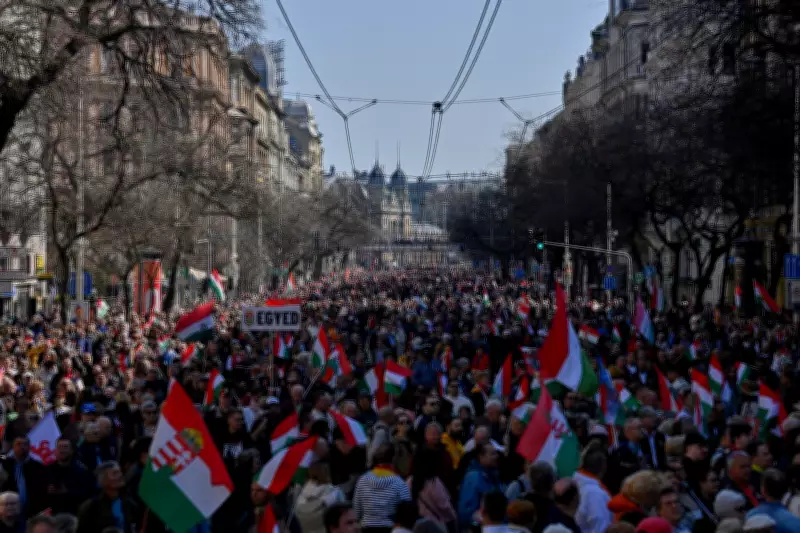
In a dramatic display of political force, Hungarian Prime Minister Viktor Orbán and his primary challenger Péter Magyar summoned tens of thousands of supporters to rival rallies in Budapest this weekend. The competing events, held just weeks before Hungary's pivotal April election, underscored the intense polarization and high stakes defining the nation's political landscape.
A Clash of Visions and Voters
The pro-Orbán march, organized by the ruling Fidesz party, filled central Budapest with a sea of supporters waving national flags and chanting slogans backing the long-serving prime minister. Simultaneously, Magyar's opposition rally drew a substantial crowd to a separate location, where attendees voiced demands for change and criticized Orbán's governance. Both gatherings served as critical mobilizing efforts, aiming to energize base voters and sway undecided citizens ahead of the tightly contested vote.
Political analysts note that these rallies are not merely symbolic but strategic maneuvers to dominate media narratives and demonstrate organizational strength. Orbán, seeking to extend his tenure amid economic challenges and international scrutiny, emphasized themes of national sovereignty and stability. In contrast, Magyar, a rising figure who has galvanized opposition factions, focused on promises of democratic renewal and anti-corruption measures.

Context and Implications for the Election
The rallies occur against a backdrop of heightened political tension in Hungary, with issues such as European Union relations, media freedom, and economic policy at the forefront of debate. Orbán's government has faced criticism from Western allies over its policies, while Magyar has positioned himself as a unifying force for diverse opposition groups seeking to unseat the incumbent.
Observers highlight that the turnout and enthusiasm at these events could be indicative of voter engagement levels, which may prove decisive in what is expected to be a closely fought election. The ability of each side to mobilize supporters in urban centers like Budapest is particularly crucial, given the city's historical role as a battleground in Hungarian politics.
As the April election date nears, both camps are likely to intensify their campaigns, with further rallies, media appearances, and policy announcements planned. The outcome will not only shape Hungary's domestic future but also influence its stance on international issues, from the war in Ukraine to EU integration efforts.
In summary, the rival rallies in Budapest have set the stage for a contentious and potentially transformative electoral contest, with Orbán and Magyar each vying to prove their mandate and vision for Hungary's path forward.