Trump's Dire Warning to Iran: 'A Whole Civilization Will Die Tonight' Over Strait of Hormuz Standoff
In a dramatic escalation of tensions, former President Donald Trump has issued a grave ultimatum to Iran, threatening that "a whole civilization will die tonight" if his deadline for reopening the strategic Strait of Hormuz is ignored. The stark warning, posted on Truth Social on Tuesday, represents one of Trump's most severe threats yet in the ongoing geopolitical confrontation.
Unprecedented Threats and War Crime Implications
Trump's social media declaration came with chilling specificity: "A whole civilization will die tonight, never to be brought back again. I don't want that to happen, but it probably will." This followed earlier threats where Trump vowed to annihilate Iran's bridges, power plants, and other civilian infrastructure unless a deal was reached by 8 p.m. Eastern time Tuesday.
Legal experts immediately noted that such attacks on civilian infrastructure would constitute war crimes under established international law. Despite this, Trump framed the ultimatum as a potential historic turning point, stating there was still time for a deal that would represent "one of the most important moments in the long and complex history of the World."

Historical Context and Iranian Response
Trump's message referenced the 47th anniversary of Iran's 1979 Islamic Revolution, declaring that "47 years of extortion, corruption, and death, will finally end" while adding "God Bless the Great People of Iran!" This historical framing coincided with increasing tensions that have seen no progress toward resolution.
Despite the escalating rhetoric, multiple sources confirm no deal is imminent. The situation deteriorated further when Iran rejected a 45-day ceasefire proposal Trump floated on Sunday—a proposal delivered with expletive-laden threats about decimating Iranian infrastructure. Iranian officials instead demanded a permanent end to hostilities.
Preparations and International Reactions
In anticipation of Trump's deadline, Iranian authorities urged young citizens to form human chains around the country's critical power plants, demonstrating both defiance and preparation for potential conflict. This civilian mobilization highlights the seriousness with which Tehran is treating the threats.
Meanwhile, Vice President JD Vance, speaking from Hungary during a press conference on Tuesday, expressed confidence that Iran would respond by the deadline while warning of consequences for inadequate responses. "We've got tools in our tool kit that we so far haven't decided to use," Vance stated. "The president of the United States can decide to use them and will decide to use them if the Iranians don't change their course of conduct."
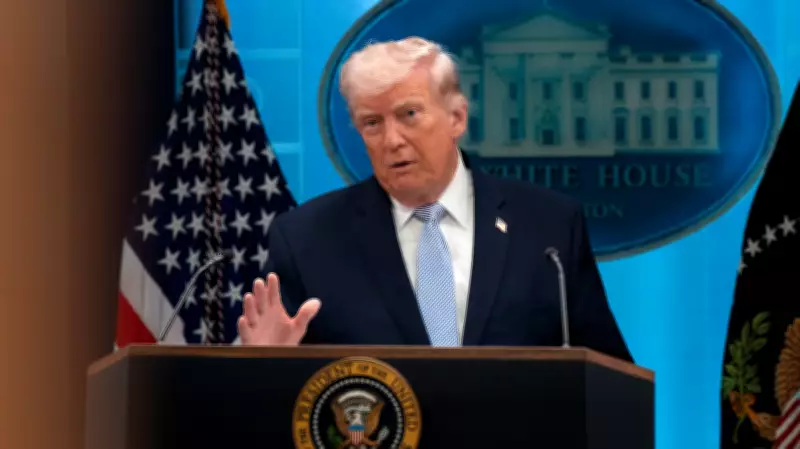
The White House briefing room saw President Donald Trump addressing reporters on Monday, with images circulated widely as the deadline approached. The international community watches anxiously as this high-stakes confrontation unfolds, with the Strait of Hormuz—a vital global oil transit route—at the center of what Trump has framed as a civilization-defining moment.