Trump Convenes Tech Titans for White House Pledge on Data Center Power Costs
President Donald Trump is summoning top technology executives to the White House next week for a high-profile event where companies will sign pledges committing to foot the electricity bill for their energy-intensive data centers. The March 4 gathering is expected to include representatives from Amazon.com Inc., Meta Platforms Inc., Microsoft Corp., Google parent Alphabet Inc., as well as Elon Musk's xAI Corp., Oracle Corp., and OpenAI Inc., according to a White House official.
Addressing Voter Concerns Over Utility Bills
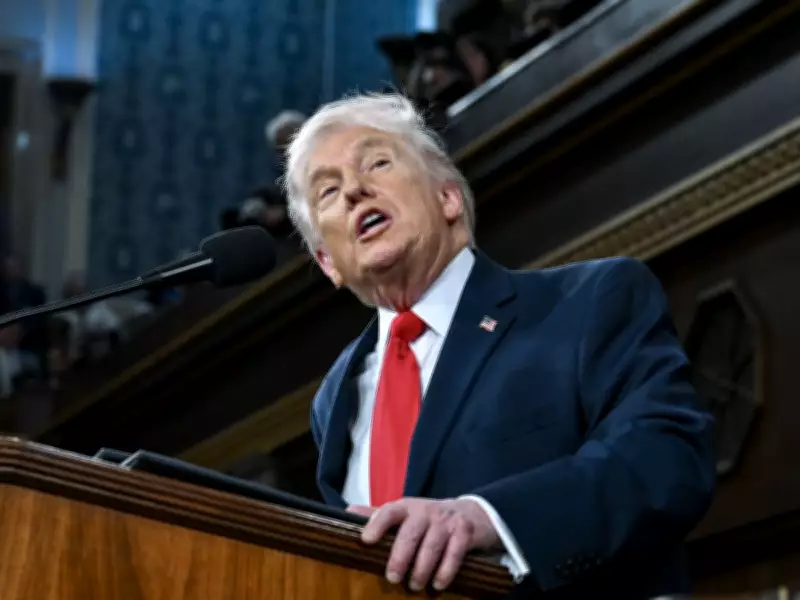
The initiative comes as 64 percent of voters identified utility costs as their most concerning issue when polled about data-center development, according to research conducted by Blue Rose Research for advocacy group Climate Power. Trump highlighted the effort during his recent State of the Union address, framing the massive buildout of data centers as an opportunity to lower power costs while simultaneously improving the nation's electric transmission infrastructure.
"Under this bold initiative, these massive companies will build, bring or buy their own power supply for new AI data centers, ensuring that Americans' electricity bills will not increase as demand grows," declared White House spokeswoman Taylor Rogers on Wednesday. "President Trump is committed to ensuring American AI dominance while simultaneously lowering costs for working families."

Political Timing and Public Backlash
The ratepayer protection pledge represents Trump's latest effort to address mounting electricity prices ahead of the November midterm elections. While the president vowed during his 2024 campaign to slash electricity bills in half, power costs have instead increased nationwide. The average retail price for electricity reached 17.24 cents US per kilowatt-hour in December, marking a six percent increase from the previous year.
Data centers essential for expanding computing power and driving artificial intelligence innovation are encountering growing public resistance. Americans increasingly worry they'll be left footing the bill for these facilities, with additional concerns about their water consumption, land use, and reliance on diesel generators for backup power.
Non-Binding Nature and Criticism
While the pledges wouldn't be legally binding and lack the force of law, administration officials believe formal, public commitments could bring accountability and offer some assurance to consumers. However, opponents have derided the initiative as toothless, arguing that nonbinding promises from tech companies cannot reliably keep retail power prices in check.
Jesse Lee, a senior adviser with Climate Power, criticized the approach, suggesting that rather than offering "empty promises," the administration should focus on adding more power sources to address the coming demand surge. Critics note that the Trump administration has simultaneously eliminated subsidies for renewable energy and sought to halt construction of offshore wind farms along the United States East Coast.
Broader Context of Rising Energy Demand
The increasing electricity costs are being fueled by multiple factors beyond data centers, including surging demand from industrial operations and the growing electrification of home heating, cooking, and transportation systems. The political challenge has become particularly acute as data center construction faces delays related to permitting and power availability issues in various regions.
Fox News first reported details of the upcoming White House event, which Trump has positioned as a key component of his strategy to maintain American dominance in artificial intelligence development while addressing constituent concerns about household expenses. The initiative reflects the administration's attempt to balance technological advancement with economic pressures facing American consumers in an election year.