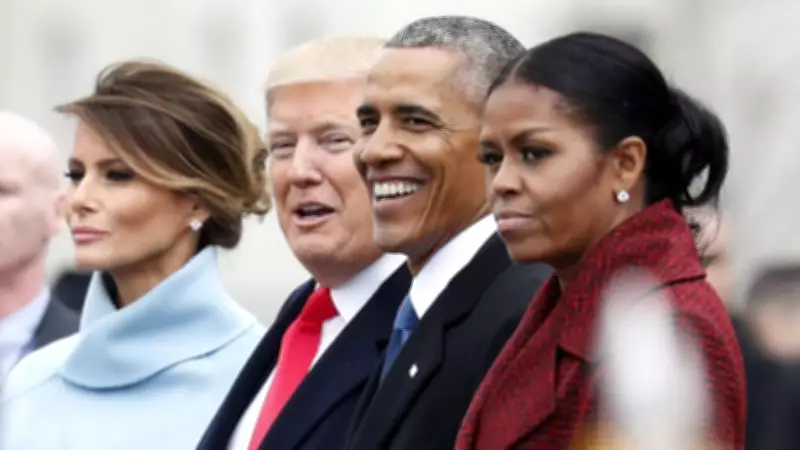
Trump's Controversial Social Media Post Sparks Outrage with Racist Imagery
In a move that has ignited widespread condemnation, former U.S. President Donald Trump recently shared a video on his social media platform that promotes election conspiracy theories. The video, which surfaced online, includes a deeply offensive depiction of former President Barack Obama and former First Lady Michelle Obama portrayed as monkeys. This imagery, widely recognized as a racist trope with a long and painful history, has drawn sharp criticism from political analysts, civil rights groups, and the public.
Context and Timing of the Post
The video was posted amidst a backdrop of ongoing claims by Trump and some of his supporters regarding the legitimacy of past U.S. elections. These unfounded allegations have been a persistent theme in American political discourse since the 2020 presidential race. The inclusion of the Obamas in such a derogatory manner adds a layer of racial insensitivity to the already contentious debate over electoral integrity.
Political observers note that this incident is not isolated. It reflects a pattern where inflammatory rhetoric and imagery are used to galvanize certain voter bases, often at the expense of civil discourse. The depiction of the Obamas, the first African American family to occupy the White House, has been particularly jarring, reminding many of the racist caricatures that have historically been used to demean Black individuals.

Reactions and Implications
The response has been swift and severe. Critics have labeled the video as blatantly racist and a dangerous escalation in political messaging. Civil rights organizations have called for accountability, emphasizing that such content perpetuates harmful stereotypes and undermines social cohesion. Meanwhile, supporters of Trump have defended the post as a form of political satire, though this argument has been widely rejected by mainstream commentators.
From a broader perspective, this event highlights the challenges facing democratic institutions in an era of rampant misinformation. The use of social media to spread conspiracy theories and divisive content continues to be a significant concern for policymakers and tech companies alike. In Canada, where multiculturalism and respect for diversity are core values, such incidents serve as a stark reminder of the need for vigilance against hate speech and disinformation, even when originating from abroad.
As the 2026 political landscape evolves, this controversy underscores the ongoing tensions in U.S. politics and their potential ripple effects globally. It raises questions about the role of leadership in fostering respectful dialogue and the responsibilities of public figures in shaping public opinion.