Trump and Iranian Foreign Minister Jointly Declare Strait of Hormuz Fully Open
In a rare moment of alignment amid ongoing regional tensions, former U.S. President Donald Trump and Iran's Foreign Minister have both publicly affirmed that the critical Strait of Hormuz remains fully open to maritime traffic. This statement comes as conflicts in the Middle East continue to create ripple effects across global markets, particularly impacting oil and gas prices along with medical helium supplies.
Geopolitical Implications and Market Reactions
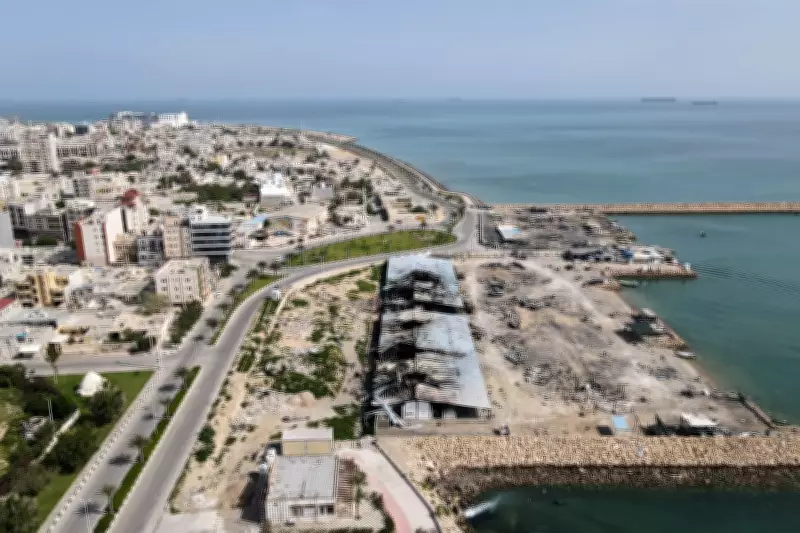
The Strait of Hormuz serves as one of the world's most vital shipping channels, with approximately one-fifth of global oil consumption passing through its narrow waters. Any disruption to this transit route could trigger significant economic consequences worldwide. The joint assurance from these typically adversarial figures provides temporary relief to energy markets that have been volatile due to regional hostilities.
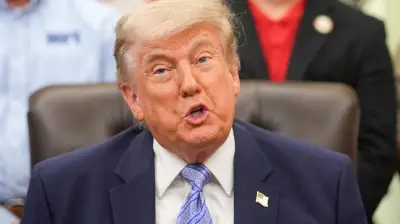
Trump commented during a recent address that "the strait is open and secure," while simultaneously announcing that Israel and Lebanon have agreed to a 10-day ceasefire. This development suggests potential de-escalation in one area of regional conflict, though broader tensions persist.

Broader Context of Middle East Conflicts
The situation in the Middle East remains complex, with multiple overlapping crises affecting global stability. The ongoing conflict has already influenced:
- Energy markets with fluctuating oil and gas prices
- Medical supplies as helium shortages impact healthcare systems
- Diplomatic relations between regional powers and international actors
Analysts note that while the Strait of Hormuz remains physically open, the political waters surrounding it are increasingly turbulent. The assurance from both American and Iranian officials represents an attempt to maintain crucial shipping lanes despite broader disagreements.
Economic and Humanitarian Considerations
Beyond the immediate shipping concerns, the Middle East conflicts have created secondary effects that extend far beyond the region. Medical facilities worldwide are monitoring helium supplies closely, as the gas is essential for MRI machines and other critical healthcare equipment. Meanwhile, consumers continue to face uncertainty at fuel pumps as oil prices respond to each development in the region.
The temporary Israel-Lebanon ceasefire announced alongside the Strait of Hormuz statement offers a glimmer of diplomatic progress, though experts caution that sustainable peace will require more comprehensive negotiations addressing the root causes of regional conflicts.