Trump Hosts Black History Month Reception Following Racist Post Controversy
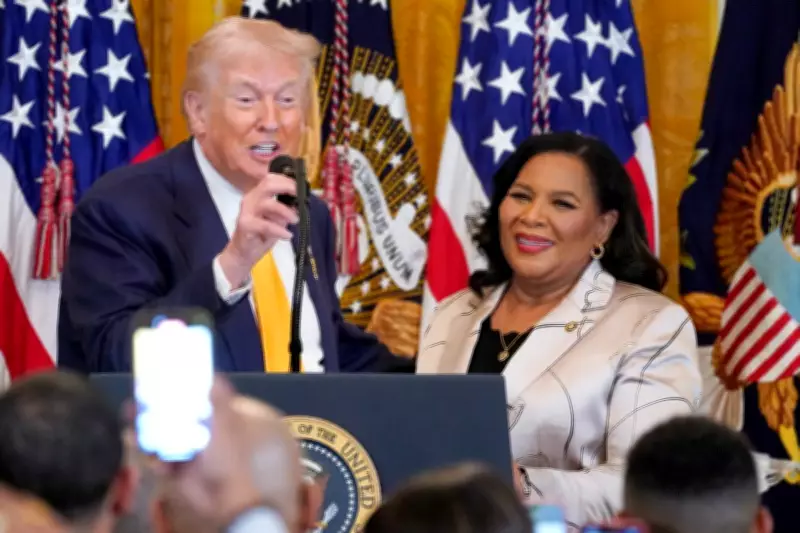
U.S. President Donald Trump hosted a Black History Month reception in the East Room of the White House on Wednesday, February 18, 2026. This event comes just weeks after the president faced intense backlash over a racist social media post that sparked widespread condemnation.
Event Details and Participants
The reception featured President Trump delivering remarks alongside White House pardon czar Alice Johnson, who listened attentively during the proceedings. The gathering was part of the administration's recognition of Black History Month, an annual observance celebrating the achievements and contributions of African Americans throughout U.S. history.
Timing and Context
The timing of this event is particularly notable given the recent controversy surrounding Trump's social media activity. Just weeks prior to the reception, the president posted content widely criticized as racist, leading to significant public outcry and demands for accountability from civil rights organizations and political opponents.

This controversy created a challenging backdrop for the administration's Black History Month observance, with critics questioning the sincerity of the event given the recent inflammatory remarks. Supporters of the president, however, pointed to the reception as evidence of his commitment to honoring African American heritage.
Broader Implications
The juxtaposition of the racist post controversy with the Black History Month reception highlights the complex relationship between the Trump administration and issues of race in America. This event occurs against a backdrop of ongoing national conversations about racial justice, historical recognition, and political accountability.
The reception represents the administration's official recognition of Black History Month, even as questions persist about the consistency between such ceremonial observances and the president's previous statements on racial matters. The presence of Alice Johnson, who received clemency from Trump in 2020 after serving 21 years of a life sentence for a nonviolent drug offense, adds another layer to the event's symbolism.
Historical Context
Black History Month has been officially recognized in the United States since 1976, though its origins date back to 1926 when historian Carter G. Woodson established Negro History Week. Presidential recognition of the month has become standard practice, though the substance and context of such observances often reflect the political climate of the time.
This year's reception occurs during a period of heightened racial tensions and ongoing debates about how American history is taught and commemorated. The event's timing relative to the recent controversy ensures it will be analyzed not just as a ceremonial observance, but as part of the broader narrative of the Trump presidency's approach to racial issues.