Trump Allies Dismiss Orbán's Electoral Defeat as Midterm Elections Loom
President Donald Trump welcomed Hungary's Prime Minister Viktor Orbán at the White House in November 2025, but the political landscape has shifted dramatically since then. On Sunday, Orbán faced a crushing loss in Hungary's elections, offering critical insights for Trump and his Republican allies ahead of the November midterms. However, rather than embracing these lessons, prominent Trump supporters are doubling down on familiar rhetoric, ignoring the warning signs from Orbán's downfall.
Affordability and Corruption Sink Orbán's Reign
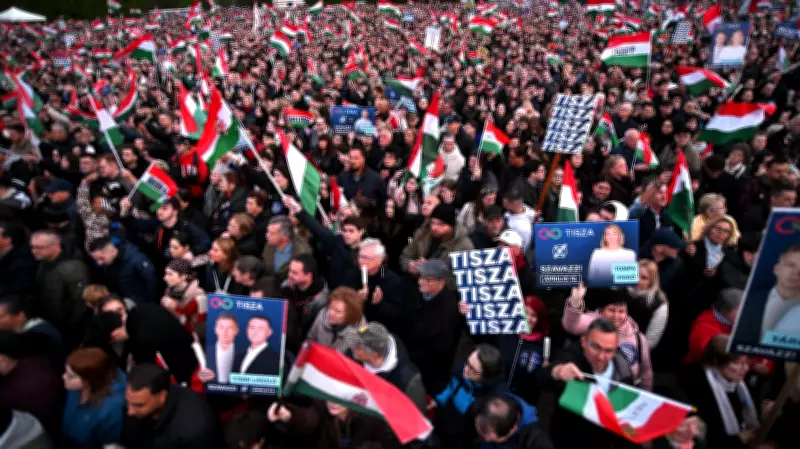
Viktor Orbán's 16-year rule ended with a landslide defeat, as Hungarian voters rejected his government over pressing affordability concerns and institutionalized corruption. Prime minister-elect Peter Magyar, a former member of Orbán's party, campaigned on a platform to combat graft and realign Hungary with Western Europe, moving away from Russian influence. Magyar's Tisza party secured 52% of the vote, compared to 39% for Orbán's Fidesz, granting a supermajority that could reverse Orbán's anti-democratic reforms.
Johan Norberg, a researcher at the Cato Institute, noted the overwhelming public discontent, stating, "I expected an opposition victory, but not with this turnout and landslide. It seems like just about everyone was fed up after 16 years." This sentiment highlights the economic struggles that have plagued Hungary, lagging behind neighboring post-Soviet states.

Trump Supporters Blame Soros, Reject Self-Reflection
In response to Orbán's loss, key Trump allies have shown little inclination to learn from the defeat. Mercedes Schlapp, a former Trump White House adviser and senior CPAC official, pointed to Hungarian-born philanthropist George Soros as a scapegoat, suggesting foreign interference rather than addressing domestic issues. "I would check the influx of Soros money into the Hungary presidential race," she said, echoing a common refrain among Trump's circle.
Mike Davis, a former Republican Senate aide and Trump apologist, dismissed the election outcome, claiming Orbán protected Hungary from an "Islamist invasion" and that the country is now "cooked." This lack of introspection contrasts with voices from more traditional Republicans, such as Alabama Senator Roger Wicker, who congratulated Magyar for a victory favoring democracy and rule of law.
Orbán's Influence on U.S. Conservative Strategy
For years, far-right conservatives in the United States have hailed Orbán as a model for conservative governance. Kevin Roberts of the Heritage Foundation described modern Hungary as "the model" for conservative statecraft, influencing initiatives like Project 2025, which seeks to expand presidential power. Since taking office, Trump has mirrored Orbán's tactics by attacking judicial, academic, and media institutions while promoting Christian nationalism and fostering corruption.
Al Cardenas, a former CPAC chair, expressed skepticism that the Republican Party will learn from Orbán's loss, citing an "unbending base" that resists change. Similarly, Ty Cobb, who served in Trump's White House Counsel's office, warned that a close election in the U.S. might not suffice to counter Trump's influence, unlike Orbán's decisive defeat.
Democratic Voices Emerge Amidst Political Tensions
Despite the dominant narrative from Trump allies, some Republicans have voiced support for Magyar's win as a triumph for democracy. Kentucky's Mitch McConnell penned an op-ed criticizing Orbán's illiberal practices, while Norberg hopes this outcome will empower pro-democracy factions within the GOP to speak out more boldly. However, these voices face opposition from Trump's executive branch, which had not publicly congratulated Magyar by Monday afternoon, underscoring ongoing tensions.
As the midterm elections approach, the lessons from Hungary's political shift remain stark: voters are increasingly rejecting corruption and economic hardship. Yet, whether Trump and his allies will heed these warnings or continue down a path of denial and deflection remains an open question, with significant implications for American democracy.