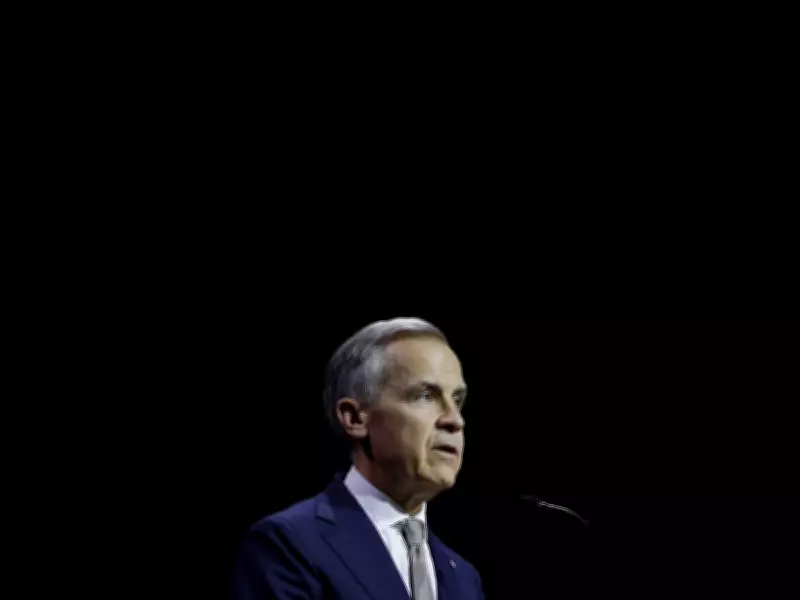
Mark Carney Achieves First Liberal Majority Government Since 2019
Prime Minister Mark Carney has successfully secured the first Liberal majority government in Canada since 2019, marking a significant political shift after seven consecutive years of minority rule. This development follows a series of strategic political maneuvers and decisive byelection victories that have reshaped the parliamentary landscape.
Ending Seven Years of Minority Governments
Canada has operated under minority governments since 2019, with Justin Trudeau winning two minority mandates in 2019 and 2021, followed by Carney's own minority victory in 2025. Trudeau's administrations required substantial compromise with the NDP, particularly through a supply and confidence agreement with then-NDP leader Jagmeet Singh from 2021 to 2024. This arrangement extracted significant concessions on childcare, dental care, and pharmacare policies.
In contrast, Carney's minority government operated with a majority-like approach from its inception. Benefiting from opposition reluctance to trigger snap elections, Carney strategically co-opted Conservative policies to maintain stability. Key measures included suspending consumer carbon tax increases, reversing planned capital gains tax hikes, and eliminating the Digital Services Tax.

While Carney did make some compromises, such as amendments to Bill C-9 (the Combatting Hate Bill) to accommodate Bloc Québécois demands regarding religious speech exceptions, his overall governance style reflected majority confidence despite lacking the necessary seat count.
Securing the Majority Through Strategic Wins
The transformation to majority status resulted from a combination of floor-crossings from both Conservative and NDP members, coupled with crucial byelection victories in University-Rosedale and Scarborough Southwest. With 173 seats now secured, Carney no longer faces the constraints of mandatory confidence votes during budget periods.
This majority liberation allows the Prime Minister to focus on governing priorities without survival concerns. Key upcoming challenges include the CUSMA renegotiation this summer, potential Alberta separatism referendum proceedings this fall, and navigating various political land mines that may emerge.
Parliamentary Changes and Policy Direction
The majority government enables potential amendments to Standing Order 104, which currently grants opposition parties committee majorities. While opposition filibustering attempts may occur, the government possesses sufficient leverage to push through changes that could accelerate legislation and limit opposition platforms for challenging government actions.
Policy direction under the majority government is expected to continue as Conservative-lite, maintaining Carney's established approach. Commitments include allocating two percent of GDP to defense spending, pursuing a second bitumen pipeline to the B.C. coast through an Alberta memorandum of understanding, and eliminating Ottawa's operating deficit through government downsizing.
With three years until the next election and a support coalition centered politically, Carney appears positioned to pursue his agenda without veering into leftist territory previously associated with Trudeau's administrations. The unencumbered governance period begins with significant parliamentary advantages and clear policy trajectories.